Aloe vera is a green, cactus-like plant commonly found in home gardens, and it is now widely known in Ayurvedic medicine for its cooling and soothing properties. It has long dominated the beauty and skincare world. It is available in several forms, ranging from mildly concentrated aloe vera juice and gel to supplements and even raw aloe vera. Over time, aloe vera has become an integral part of daily wellness routines.
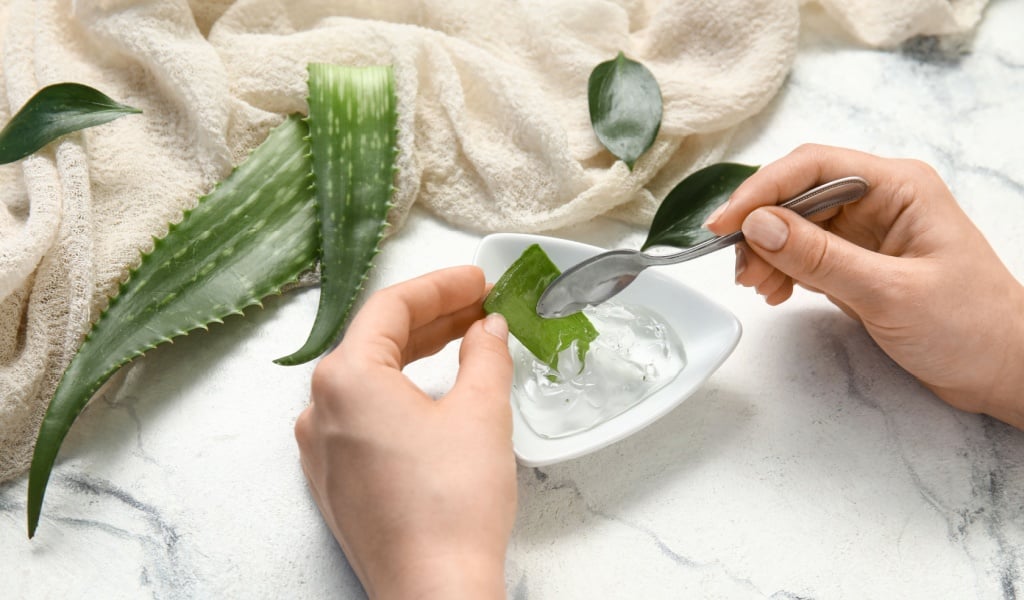
Before we dive deeper into the article, let’s address a common question: Is aloe vera edible? The answer depends on the part of the plant used and how it is processed. The inner gel, the fleshy portion obtained after proper cleaning and preparation, is generally safe to consume. However, extracting the correct edible portion while completely removing impurities is a delicate and essential process.
Several trusted Ayurvedic brands help make ancient formulations like aloe vera accessible today by maintaining traditional methods and high-purity standards while minimizing contamination. Many of these brands adhere to recognized certification standards, such as ISO-22000, or are USDA organic certified, ensuring that only the purest forms of aloe vera are provided to consumers. This article explores different ways to consume aloe vera, its benefits, and the widespread appreciation for it.
Benefits of Aloe Vera in Different Forms
Aloe Vera Juice
Aloe vera juice can play a significant role in modern nutrition. It can be consumed in concentrated form or diluted with water. When taken correctly and in moderation, it can be safely consumed daily.
A simple way to prepare it is to mix 20-30 ml of aloe vera juice with a glass of water. And it is best to consume it about 30 minutes before meals, as this helps the body absorb nutrients more effectively.
How often you should drink aloe vera juice may vary depending on your individual needs and the specific product you use. Consulting an Ayurvedic practitioner before consuming is always recommended, especially for individuals with particular health conditions. Common scenarios such as diabetes, Irritable Bowel Syndrome (IBS), or any existing gastrointestinal disorders warrant professional guidance to ensure safety and appropriateness.
Aloe Vera Gel
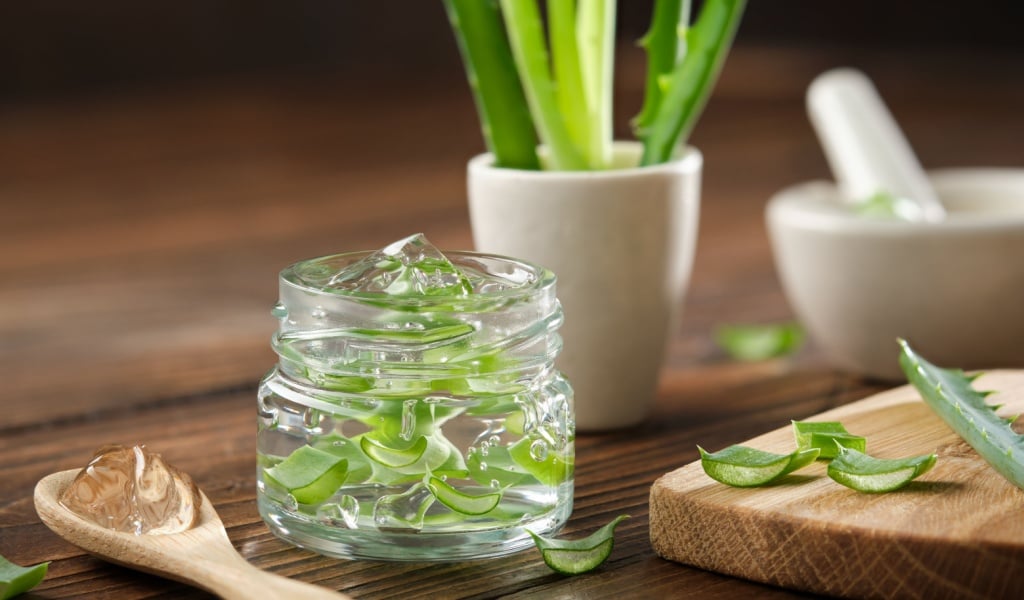
Aloe vera gel meant for consumption is thicker than juice and may contain pulp. It should always be clearly labeled for internal use and purchased from verified Ayurvedic or FSSAI-approved sources to ensure safety.
However, aloe vera tablets are a convenient option for those who prefer not to consume liquids or gel. In tablet form, aloe vera is often combined with other Ayurvedic herbs, as seen in products by brands like Baidyanath.
Raw Aloe Vera
Many people wonder if aloe vera can be eaten raw. In some cases, the inner leaf gel can be consumed after the skin is completely removed and the gel is thoroughly washed to remove all traces of latex. However, extreme care is required, as not all aloe vera plants are suitable for internal use. Improper preparation or consumption of unsuitable varieties may cause health issues.
Aloe Vera for Skin Care (External use)
Aloe vera is also widely used in natural skincare remedies. It provides multiple benefits depending on the type of skin. A simple way to use aloe for your skin type is listed below:
-
For dry skin: Mix aloe vera gel with a pinch of turmeric, one teaspoon of honey, one teaspoon of milk, and a few drops of rose water. Blend into a paste, apply, and leave on for about 20 minutes.
-
Aloe vera scrub: Combine half a cup of fresh aloe vera gel, one cup of sugar, and two tablespoons of lemon juice. This scrub helps exfoliate dead skin, cleanse deeply, and reduce tan and scars.
-
For acne: Mix aloe vera gel with finely ground walnuts and honey. The healing properties of aloe vera, combined with antioxidants from honey, help promote clear skin.
-
For sensitive skin: Blend aloe vera gel with cucumber juice, yogurt, and a few drops of rose oil. Apply for 20 minutes and rinse off gently.
Aloe Vera Juice Side Effects & Considerations
Like any natural product, aloe vera may not suit everyone. Improperly cleaned aloe vera gel containing latex may cause stomach discomfort, and overconsumption of raw aloe vera may lead to digestive sensitivity. Always follow recommended dosages and consult a healthcare professional or Ayurvedic expert, especially if you are pregnant, nursing, or taking medication.
In Conclusion
Whether aloe vera can be consumed daily depends on the individual, the form used, and the purpose of consumption. In Ayurveda, herbs are typically used as part of a balanced and disciplined daily routine. While some people include aloe vera in their daily diet, it is best done under professional guidance to ensure safety and effectiveness.
Consider incorporating aloe vera into your wellness regimen. Start slow and see how your body responds. Perhaps some aloe vera juice in the morning or a soothing aloe skincare routine in the evening. Aloe vera can be a healthy, empowering addition to your lifestyle.