
The first time I came across the word ‘Chi’ was through Kung Fu Panda, where the chi that every living being in the movie, including demons, longed to possess. However, did you know that, as humans, we can also learn to master chi by practicing an art that originated in ancient China? And that is ‘Tai Chi.’
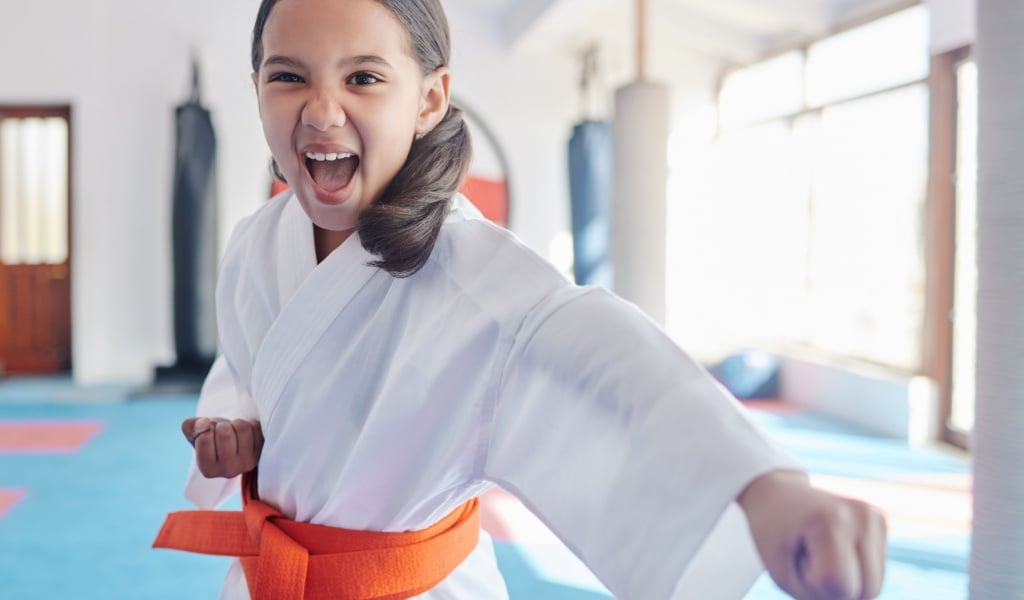
Tai Chi is not just any form of exercise; it is an art that embraces the mind, body, and spirit. Although it is an art that requires a great depth of knowledge and skill, it is surprisingly easy to begin and offers numerous health benefits quickly. For many, it becomes a lifelong journey of growth and balance.
Have you heard the saying ‘no pain, no gain’? But with Tai Chi, there’s no pain with BIG gains. Let us explore this article to learn more about Tai Chi and its health benefits.
A Brief History of Tai Chi
Tai Chi, also known as Tai Chi Chuan (Taijiquan), is more than just a graceful workout; it is an ancient martial art deeply rooted in Chinese philosophy, medicine, and culture. Its history stretches back centuries, carrying with it traditions of balance, healing, and inner strength.
Origins in Ancient China
Tai Chi originated in China around the 12th to 17th centuries, although its exact beginnings remain debated. The art is closely connected to Taoist philosophy, mainly the principles of yin and yang, which posits that opposite forces exist in harmony.
According to legend, Zhang Sanfeng, a Taoist monk, is said to have created Tai Chi after observing a fight between a snake and a crane. Inspired by their flowing, circular movements, he developed a martial art that emphasized softness, overcoming hardness by utilizing gentle strength and internal energy rather than brute force.
Types of Tai Chi
There are five distinct styles of Tai Chi, each originating from a different historical period. Each has a unique set of methods and principles, lineage, and date of origin. They are:
1. Chen style, originating sometime between 1528 and 1587.
2. Yang style, originating sometime between 1799 and 1872.
3. Wu or Wu Hao style, originating sometime between 1812 and 1880.
4. Wu style, originating sometime between 1870 and 1942.
5. Sun style, originating sometime between 1861 and 1932.
Some forms of Tai Chi focus on health, while others emphasize competition or self-defense. However, it is advisable to consult with an experienced instructor to determine which style is best suited for you and whether it will provide the expected benefits before making a decision.

Benefits of Practicing Tai Chi
Improves Balance and Prevents Falls
One of Tai Chi’s most recognized benefits is its ability to improve balance. The slow, deliberate movements train your body to be more stable and coordinated, and are especially advantageous for older adults, as they reduce the risk of falls and injuries. Research indicates that regular practice strengthens leg muscles and improves body awareness.
Boosts Mental Clarity and Focus
Tai Chi is often referred to as ‘meditation in motion.’ The practice requires you to stay present, focusing on your breathing and movements. This mindful state helps clear mental clutter, improve concentration, and even sharpen memory. Over time, it supports cognitive health and reduces mental fatigue.
Reduces Stress and Anxiety
Life’s daily pressures can take a toll on our minds, and Tai Chi offers a natural remedy by calming the nervous system. The rhythmic breathing and flowing movements lower cortisol, the stress hormone, and promote relaxation. Many participants report feeling more peaceful and less anxious after each session.
Strengthens the Heart and Improves Circulation
Tai Chi may appear gentle, but it offers a moderate cardiovascular workout. The constant motion encourages better blood circulation, lowers blood pressure, and supports overall heart health. For individuals with mild cardiovascular conditions, it is an excellent form of exercise that avoids the strain of intense workouts.
Enhances Flexibility and Joint Health
Unlike exercises that put stress on joints, Tai Chi is a low-impact and fluid workout. It keeps the joints mobile, reduces stiffness, and relieves discomfort caused by conditions like arthritis. Regular practice increases flexibility, making everyday activities easier and more comfortable.
Supports Better Sleep
Struggling with restless nights? Tai Chi may be the answer. The technique relaxes both the body and mind, helping regulate sleep patterns. Research has shown that individuals who train in Tai Chi tend to fall asleep faster and experience more profound, more restful sleep.
Boosts Immunity
Interestingly, Tai Chi benefits not only the mind and muscles but also strengthens the immune system. Studies suggest that regular training enhances the body’s resistance to infections and facilitates quicker recovery from illnesses.
Promotes Emotional Well-being
Beyond the physical, Tai Chi nurtures the spirit. Many describe feeling more connected, balanced, and emotionally resilient. It fosters tolerance, self-awareness, and inner calm, qualities that can positively impact all areas of life.
Final Thoughts
Tai Chi may seem like a slow and simple exercise, but its effects are anything but minor. From enhancing balance to relieving stress and boosting immunity, it offers a holistic path to health and wellness. The beauty of Tai Chi is that it is never too late to start. Whether you are young or old, fit or struggling with health issues, this ancient art can bring balance, strength, and peace into your life.