
Tourism is a significant sector in all countries. Countries with high tourist frequency are considered developed. In recent years, the global tourism industry has seen a remarkable trend. Many small nations now welcome more tourists each year than the total number of people who actually live there. This phenomenon, often referred to as ‘tourists outnumbering locals’, highlights the immense appeal of these destinations and the challenges that come with such popularity.
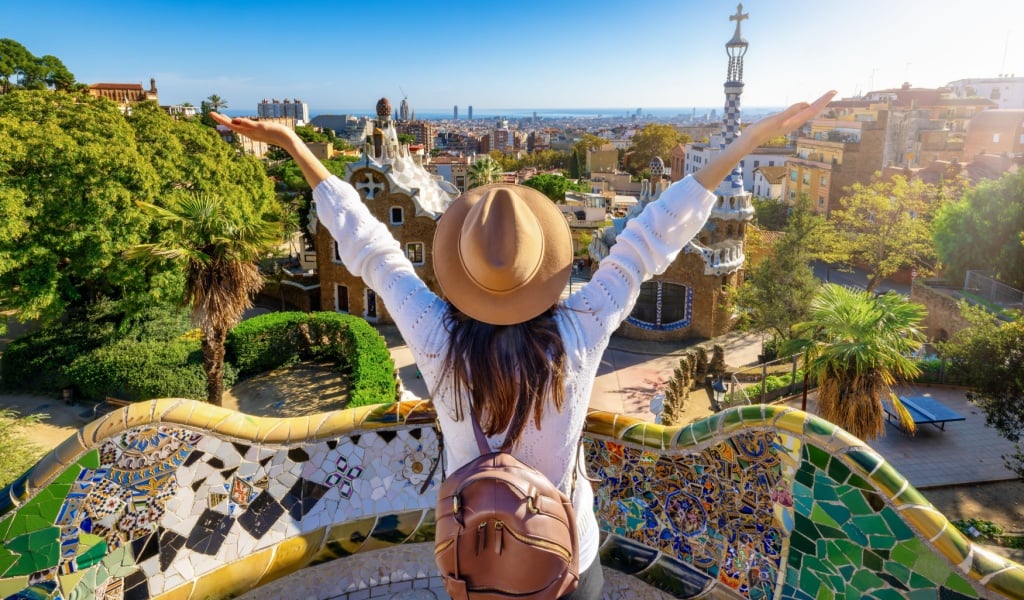
What Does It Mean When Tourists Outnumber Locals?
When the number of annual tourist arrivals exceeds a country’s population, it means that, on average, each resident hosts more than one visitor every year. This ratio can be strikingly high in smaller countries and island territories, where the resident population is limited but tourist arrivals are immense. While this can bring tremendous economic benefits, it also raises questions about sustainability, culture, and the everyday lives of locals. This article explores the influx of tourists and local issues across different countries.
Andorra
Nestled between France and Spain in the Pyrenees mountains, Andorra is one of the most visited countries relative to its size. With a population of just over 80,000, it attracts around three million visitors annually. Tourists flock here for skiing, mountain scenery, and duty-free shopping. The sheer volume of visitors has made tourism the backbone of Andorra’s economy, though it also means the country’s infrastructure must continually expand to accommodate the masses.
Macao
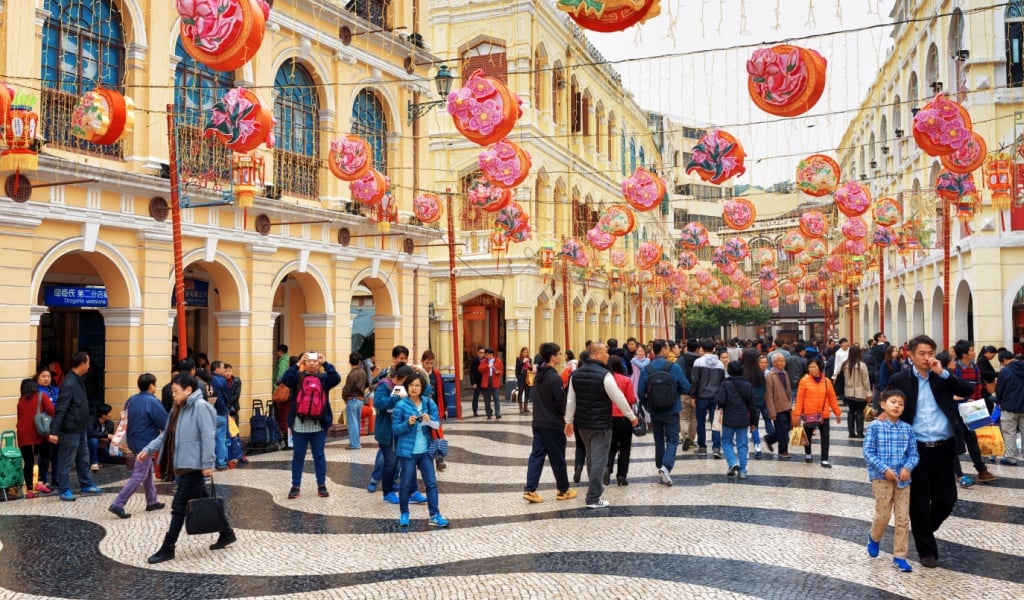
Macao’s glittering skyline and rich Portuguese-Chinese culture make it one of Asia’s tourism capitals. Despite having a population of around 700,000, it attracts well over 20 million visitors per year. Most tourists come from mainland China and nearby regions, drawn by Macao’s luxury lifestyle and entertainment. While tourism fuels the city’s economy, its heavy reliance on visitors also makes it vulnerable to global travel disruptions.
The British Virgin Islands
With its turquoise waters, luxury yachts, and secluded beaches, the British Virgin Islands welcome about 12 tourists for every resident. Tourism accounts for a significant share of employment and income. However, with such a small local population, even a modest increase in visitor numbers can strain resources and the environment. Maintaining a balance between preserving the islands’ natural beauty and supporting tourism remains an ongoing challenge.
Turks and Caicos Islands
These Caribbean islands have become a symbol of high-end tropical vacations. With beaches and exclusive resorts galore, the islands host more than ten times their local population in visitors each year. Tourism has raised residents’ living standards but also driven up property prices, making it harder for them to afford housing. Environmental conservation is now a key concern as authorities aim to protect coral reefs and coastlines from overuse.
Aruba
Aruba’s warm climate, crystal-clear waters, and welcoming hospitality have made it a hotspot for travellers from North America. With roughly 100,000 residents and over a million annual tourists, Aruba’s economy thrives on tourism. Yet, like other island nations, it faces the pressure of maintaining infrastructure, managing waste, and conserving natural resources while catering to such a large number of visitors.
Northern Mariana Islands
This Pacific island chain, a U.S. commonwealth, welcomes several hundred thousand tourists each year, far exceeding its small population. Visitors come for the beaches, diving spots, and peaceful island life. The tourism industry generates substantial revenue but also makes the local economy heavily reliant on external visitors, especially from East Asia.
Guam
Another U.S. territory in the Pacific, Guam, receives millions of tourists each year, mainly from Japan and South Korea. Despite having a population of just over 170,000, it sees about eight times that number in visitors annually. While tourism has boosted Guam’s economy, it has also increased demand for resources such as water and electricity, putting pressure on local ecosystems.
Bahrain
Unlike most others on this list, Bahrain has a larger population yet still sees more travelers than residents each year. This small Gulf nation has positioned itself as a cultural, business, and leisure hub in the Middle East. Its annual Formula 1 race, modern skyline, and rich Arab heritage attract millions of visitors to the country. While the tourism industry contributes significantly to the economy, it also requires ongoing investment in urban infrastructure, a challenge in itself.
Malta
In the Mediterranean, Malta draws visitors with its ancient architecture, sunny weather, and clear waters. The island nation has just over half a million residents but welcomes nearly 3 million tourists each year. Tourism plays a central role in its economy, but locals sometimes express concerns about rising rents and overcrowded city centers, especially during peak travel seasons.
Why Do Tourists Outnumber Locals in These Places?
There are several reasons behind this trend. Most of these destinations are small, meaning that even a modest number of visitors can exceed their population. Many are island nations or microstates that depend heavily on tourism as their primary source of income. Additionally, strong branding, natural beauty, and cultural uniqueness attract repeat visitors year after year.
The Benefits and the Burden
Tourism provides substantial economic rewards. It creates jobs, brings foreign income, and improves infrastructure such as airports, roads, and public facilities. It also helps promote cultural exchange and international recognition.
However, there are downsides too. Overcrowding can damage natural sites, inflate prices, and disrupt local communities. Many residents in tourist-heavy countries face rising living costs and a loss of cultural authenticity as their towns adapt to visitor preferences. Environmental issues such as waste, coral reef damage, and energy use also become pressing concerns.
Finding Balance is Vital
In countries where tourists outnumber locals, the challenge lies in finding the right balance between welcoming visitors and preserving the quality of local life. Governments are increasingly focusing on sustainable tourism, setting limits on guests, protecting heritage sites, and investing in eco-friendly solutions. Visitors, too, play a role by traveling responsibly, respecting local customs, minimizing waste, and supporting community-based businesses.
In Conclusion
Countries where visitors outnumber locals tell a fascinating story about the power of global travel. They remind us that while tourism can bring prosperity and boost the economy, it must be managed wisely to protect both people and places. Whether it is the ski slopes of Andorra, the beaches of Aruba, or the glitter of Macao, these destinations prove that popularity can be both a blessing and a burden.