
Fossil fuels are non-renewable energy sources, such as natural gas, petroleum, coal, oil shales, heavy oils, bitumens, and tar sands. These energy sources are significant for modern life. Without fossil fuels, most people won’t be able to light their homes, automobiles will be unable to run, and our homes will become colder in winter and hotter in summer. So when it comes to tracing the origins of fossil fuels, the question is: Do they really come from fossils?
Well, yes, and… no. Let us explain.
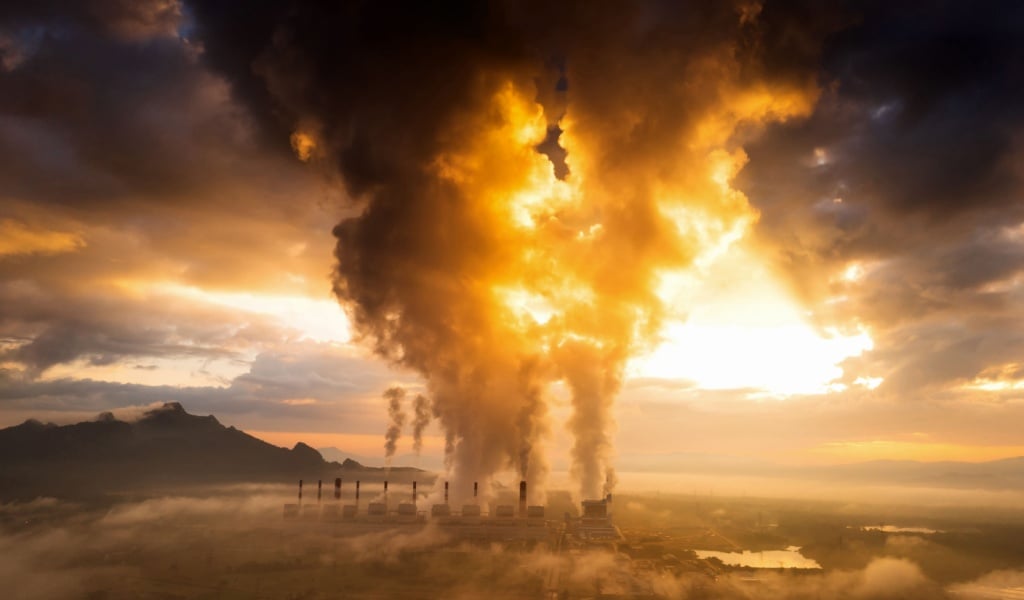
Fossils are the actual traces of ancient animals and plants, as well as the impressions left in rock. However, contrary to popular belief, natural gas and oil do not come from fossilized dinosaurs. That’s just a myth, thanks to German Chemist Casper Neumann, who was the first person recorded to have used the term “fossil fuel”. The phrase then led people to believe that coal, petroleum, and natural gas come from ancient organisms—specifically, dinosaurs.
Here’s what it actually is: All fossil fuels contain carbon, and they were all formed as a result of geological processes on the remains of organic matter produced by photosynthesis, which is the process by which plants and some organisms convert light energy into chemical energy. So most of the fossil fuels we use come from plants, algae, and bacteria that date back millions of years. So no, you’re not pouring refined dinosaur parts to run your car when you’re filling your gas tank.
Where do Fossil Fuels Come From?
Fossil fuels come from a variety of different organisms that existed long, long before the first human walked this Earth. Coal, petroleum, and natural gas are derived from biomass, mainly plankton, decaying marine organisms, and single-celled bacteria that evolved in the oceans about 3 billion years ago. As these mass colonies died and sank to the bottom of the sea, they began to be covered with sediment. Over the years, layers of sediment accumulated, along with plankton, algae, and bacteria. As a result, pressure and heat began to rise. It got heavier and heavier until the dead bacteria trapped beneath were effectively cooked by the heat and pressure, forming a stew of liquid hydrocarbons. Along with the type of biomass, the degree of pressure and heat will then determine if the material becomes natural gas or petroleum.
To most people, the word “fossil” in the context of fossil fuels immediately conjures up images of dinosaurs and other extinct species. So the idea that oil originates from the decomposition of these ancient animals has dominated the imagination for years. But in reality, there were never enough dinosaurs to generate Earth’s gigantic stores of oil.
The geological timelines are different, too. Dinosaurs roamed the Earth about 66 million years ago, but the organic material responsible for oil reserves goes back even further. So the origins of fuel do not lie in prehistoric giants; instead, they lie in microscopic lifeforms. These amazing organisms can convert light into energy, and, as with most tiny organisms, their generations turn over very quickly. As they expire, their minute bodies settle on the sea floor, forming organic matter that can be miles thick. With the right amount of heat and pressure, natural gas and oil are formed. These organisms are also fossils, just not the ones you’re used to thinking of.
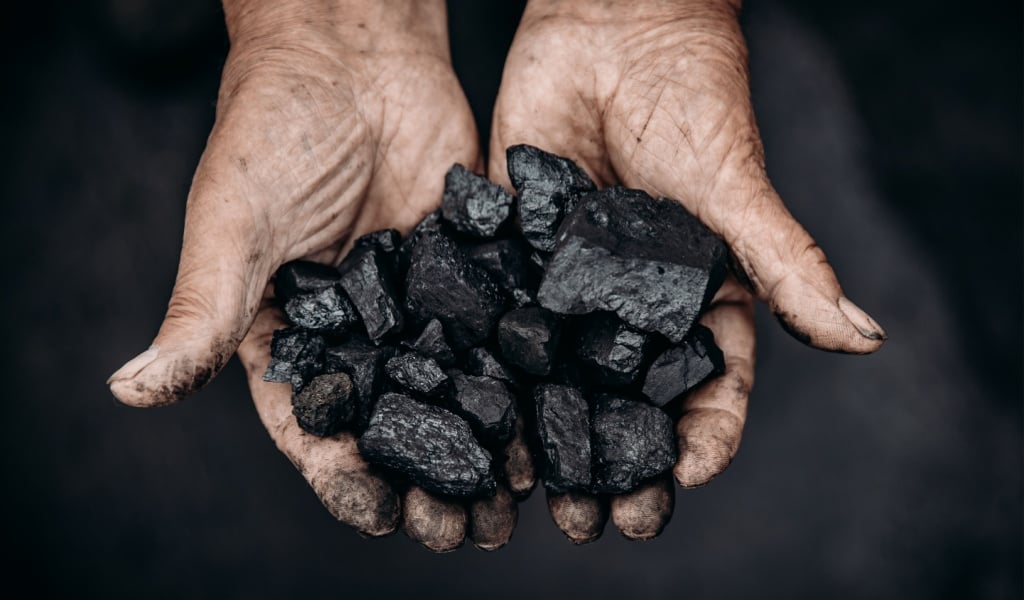
When it comes to coal, the world’s deposits were laid down about 300 million years ago, about 75 million years before the evolution of the first dinosaurs. It was formed when dense jungles were buried beneath layers of sediment, and their unique mechanical structure caused them to be literally cooked into solid coal rather than liquid oil.
What About the Dead Animals?
When it comes to fossil remains, the hard parts of animals, like the decay-resistant skeletons, are preserved. The shells are made of calcium carbonate, and the bones are made of calcium phosphate. If these parts are buried quickly after the organism’s death, the surrounding organic tissues can be preserved, and the soft tissues and tough parts can be converted into a stony substance. Sometimes, these tissues, shells, and bones are transformed into solid minerals. This is effective when the organic tissues are completely broken down and replaced by inorganic, carbon-free compounds. As a result, these hardened materials don’t serve as energy sources.
Conclusion
Dead dinosaur bones aren’t powering your home or your car. Instead, you’re using up energy that has been stored in the bodies of microscopic bacteria and ancient plankton that lived hundreds of millions of years ago. While the myth that oil comes from dinosaurs is undoubtedly entertaining, the scientific reality is a far more interesting story about how a microscopic world has shaped humankind’s energy history.
It should be noted that while these substances play a key role in modern life, they also contribute to greenhouse gas emissions and accelerate climate change. Therefore, most scientists advocate a shift towards more eco-friendly energy sources.