Recently, I was given the opportunity to observe a beehive up close, and the structure of the hive and its chambers was truly mind-blowing. The level of precision, organisation, and purpose within the hive left a lasting impression on me. One fascinating fact that amazed me was that honey, often casually described as the regurgitated nectar of bees, possesses extraordinary preserving qualities.
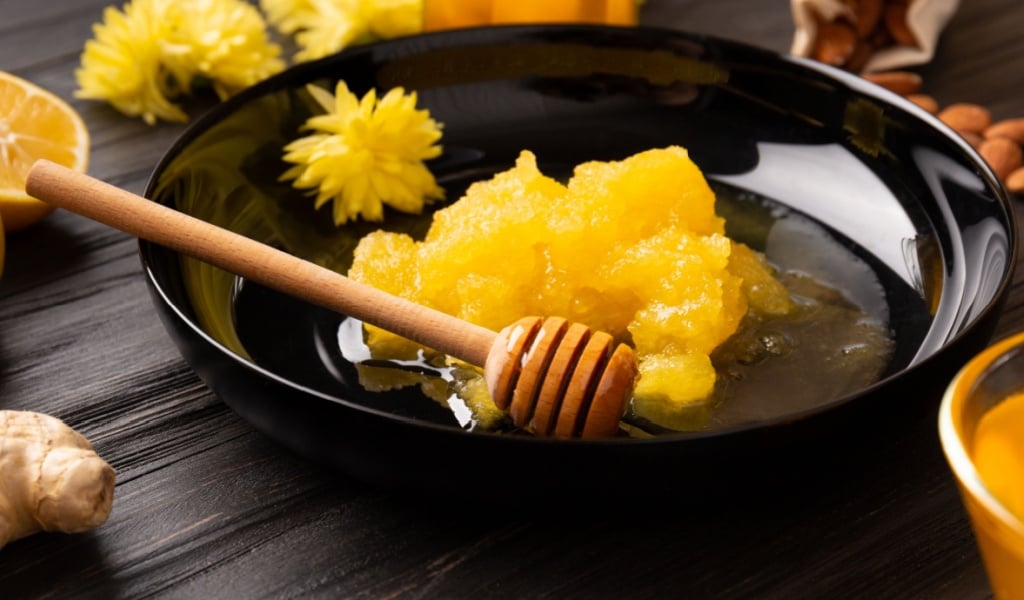
In recent years, archaeologists famously discovered a sealed jar of honey in King Tutankhamun’s tomb that had survived intact for thousands of years and was still edible despite the passage of time. This discovery sparked many questions: how is this possible? Doesn’t honey expire? This curiosity led to this article. Read on to find out whether honey actually expires.
Honey is considered one of the healthiest natural sweeteners, and experts explain that it does not truly expire. Its remarkable longevity comes from its unique chemical composition. However, many people become concerned when their jar of honey develops a grainy, thick, or crystallised texture, assuming that it has spoiled. This raises an important question: if honey is known to last indefinitely, why do so many jars of honey in our kitchens crystallise and become difficult to use?
Honey has a naturally low water content and a high acidity, creating an environment in which bacteria and other microorganisms cannot readily survive. These characteristics make honey extremely resistant to spoilage. In fact, honey can remain safe to consume indefinitely if stored properly.
Another key reason honey resists bacterial growth lies in the bees themselves. During honey production, bees add an enzyme called glucose oxidase to nectar. As the honey ripens, this enzyme converts sugars into gluconic acid and produces hydrogen peroxide. The presence of hydrogen peroxide plays a major role in honey’s antibacterial properties. In addition, honey contains natural compounds such as polyphenols, flavonoids, methylglyoxal, bee peptides, and other antimicrobial agents, all of which further inhibit the growth of harmful microorganisms.
Can Honey Ever Spoil?
Yes, but only under specific conditions. The primary way honey can lose its natural safety is by being mixed with water. If moisture enters the jar, the water content may rise above safe levels, allowing fermentation to occur. This is how alcoholic honey-based drinks such as mead are produced. Fermented honey is usually easy to identify, as it develops a noticeable bread-like or alcoholic smell.
Some Other Interesting Facts
Despite honey’s antimicrobial properties, there are certain circumstances in which it can cause harm. Honey naturally contains small amounts of bacteria, yeast, and moulds originating from pollen, dust, air, flowers, and even the bees’ digestive systems. Under ordinary conditions, these microorganisms remain inactive and pose no health risk. However, honey can also contain spores of Clostridium botulinum, which are harmless to adults but can cause infant botulism in babies under one year of age. For this reason, honey should never be given to infants.
Honey may also contain toxic compounds depending on the plants from which bees collect nectar. A well-known example is ‘mad honey,’ produced when bees gather nectar from plants such as Rhododendron ponticum and Azalea pontica. This type of honey contains grayanotoxins and can cause dizziness, nausea, arrhythmias, and changes in blood pressure.
Another compound associated with honey is hydroxymethylfurfural (HMF), which forms during honey processing and as honey ages. While some studies suggest that HMF may have adverse effects at high concentrations, other research indicates potential antioxidant and anti-inflammatory benefits. Nonetheless, international guidelines recommend limiting HMF levels to ensure honey quality and safety.
Adulteration presents another serious issue. Because honey is expensive and time-consuming to produce, some manufacturers dilute it with cheaper sugar syrups derived from corn, cane, or beet sugar. In other cases, honey is harvested before it has fully ripened. Normally, bees reduce honey’s water content to below 18%, but prematurely harvested honey may contain over 25% water, greatly increasing the risk of fermentation and spoilage.
Improper storage can also reduce honey’s quality. Leaving honey containers open or poorly sealed allows moisture and environmental microbes to enter. Exposure to high heat can further degrade honey by darkening its colour, altering its flavour, and increasing HMF levels.
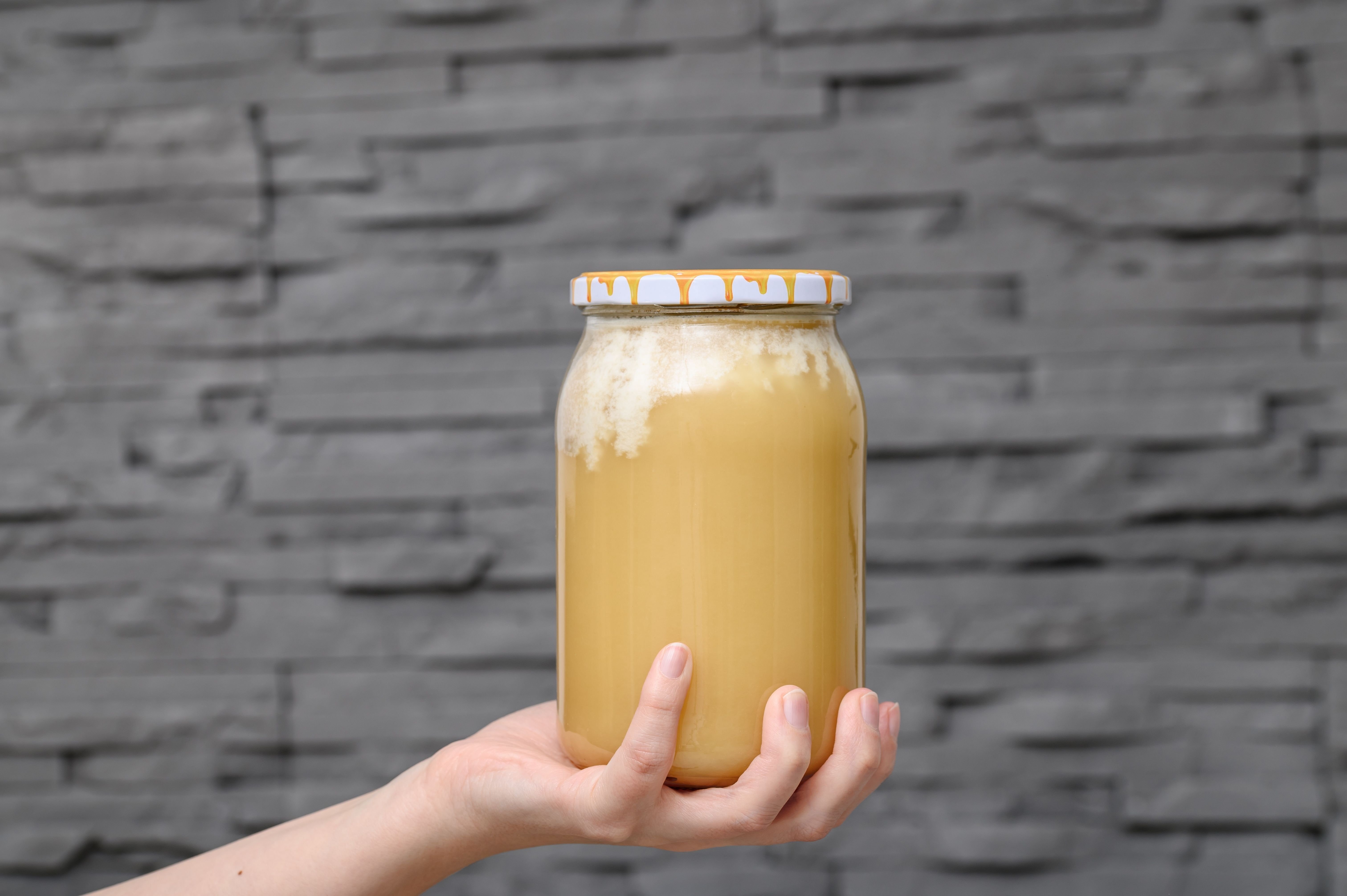
Crystallisation, however, is a completely natural and expected process. Honey contains more sugar than can remain dissolved in liquid form, so over time the sugars separate and form crystals. When this happens, honey becomes lighter in colour, more opaque, and grainy in texture. Crystallised honey is still safe to eat, though some water is released during the process, meaning long-term storage should be monitored carefully.
Over extended periods, honey may darken and lose some of its floral aroma and flavour. While this does not make it unsafe, it may affect its taste and appearance.
One of the great ironies surrounding honey is the widespread misconception in India that crystallised honey is fake or adulterated. This belief has led genuine beekeepers to struggle to sell pure honey locally, whereas adulterated honey is often more widely accepted. As a result, large quantities of raw Indian honey are exported abroad. In contrast, countries such as the United States and Germany proudly market crystallised honey as ‘set honey,’ highlighting it as a sign of purity, minimal processing, and authenticity!
In Conclusion
Honey is nature’s gift to us. Unprocessed honey is an extraordinary substance preserved by the wisdom embedded in the work of bees. The benefits of honey far outweigh its drawbacks; however, it is important to choose high-quality, pure honey and avoid products with added sugars or excessive processing.
Crystallisation is not a defect but a natural indicator of real honey. As long as no water is added to natural honey, it will not spoil, making it one of the few foods that can truly stand the test of time!