
Everyone seems more health-obsessed now—or at least that’s how it seems, especially on social media. From fad diets to intense workouts, people can get swept up in the craze of being perfectly healthy. With so much information to sift through, it can be hard to distinguish what you actually need from what you don’t when it comes to health and nutrition.

Videos that label certain foods as “unhealthy” or as containing “fake ingredients” contribute to misinformation about nutrition. This overload of information can make health-conscious people more paranoid about food labels and ingredients. Healthy eating should be encouraged, but there is a line where it can cross into uncharted waters, and that’s where you should be careful.
Focusing obsessively on diet can lead to something called orthorexia, a condition that is becoming increasingly common in society. Social media plays a major role in fueling this trend, as constant exposure to idealized health and diet standards can significantly influence people’s attitudes and behaviors.
While orthorexia is not a clinical term or an officially recognized eating disorder, it is expected to become an official diagnosis. It is also commonly seen alongside eating disorders like bulimia, anorexia, or binge eating disorder.
Symptoms Of Orthorexia
Orthorexics are obsessed with the quality of food rather than its quantity. It can start as a clean or healthy eating habit, but then gradually lead to avoiding entire food groups, such as grains and dairy, foods treated with pesticides, foods containing artificial additives, or particular ingredients like salt or sugar.
A person with orthorexia may experience the following symptoms:
- Serious anxiety about food choices, where they are constantly obsessing over their diet not meeting their standards of ‘purity.’
- Strong sense of guilt when they have slip-ups and indulge in something that should have been avoided.
- Social isolation through withdrawing from people who don’t adhere to their strict diet.
- Feelings of pride and heightened self-esteem when eating healthy food.
- Spending too much time analyzing ingredient lists or spending hours researching and meal planning to ensure every single ingredient in the food is perfectly healthy.
- Anxiety, depression, and mood swings
How To Differentiate Between Orthorexia And Healthy Eating?
Obsessing Over The Quality Of Food
Orthorexics are obsessive about the purity and quality of their food. This is central to orthorexia, and they may only opt for organic, farm-fresh, vegan, or raw food. For them, quality matters more than quantity.
Eliminating Entire Food Groups
A balanced diet should consist of a healthy combination of all nutrients. However, people who have orthorexia will eliminate entire food groups, like dairy products, gluten, carbohydrates, processed food, meat, or sugar, to name a few.
Eating Patterns That Are Not Flexible In Any Given Situation
Someone experiencing orthorexia can be so rigid with their food choices that anything considered unhealthy will be avoided at all costs. For example, if a person with orthorexia were stuck on a remote island and the only thing available to eat was something they considered unhealthy, they would choose to eat nothing at all.
Plagued By Concern About Sickness Or Disease
An incorrect understanding leads orthorexics to conclude that the food they consider “unhealthy” is poison to the body. For them, the risk of such food causing disease, even if it has not been proven, will outweigh the benefits of eating that specific food.
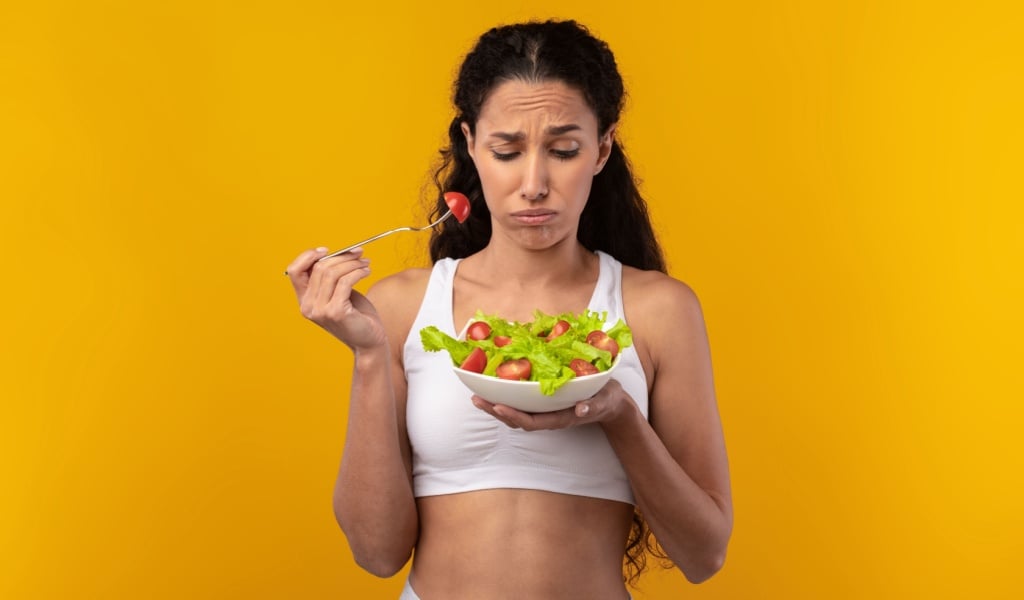
Loss Of Emotional Control When Rules Are Broken
Orthorexics impose a self-prescribed diet for themselves, and if their rigid eating patterns are compromised, it can lead to severe emotional turmoil, shame, anxiety, guilt, and depression.
Feelings Of Anxiety Simply In The Presence Of Certain Food
A person with orthorexia will want to stay far away from their forbidden food. They may even leave a room where that food is displayed. This is why isolation is a common avoidance technique for people who suffer from orthorexia, as they feel more comfortable skipping social gatherings that are likely to have their “fear food.” This can progressively lead to depression and disturbing behavioral patterns.
This Condition Is Not Always Born From The Need To Have A Perfect Body Image
People who suffer from anorexia tend to exhibit patterns of food avoidance to create an extremely thin body image. However, orthorexia is not always driven by the physical need to lose weight. Rather, it is an unhealthy obsession with being overly healthy.
Weight Loss
Weight is not a clinical marker, but some cases of orthorexia do involve weight loss. Since such a diet is unbalanced, it can lead to malnutrition. A person with orthorexia may feel that avoiding specific foods can bring about health benefits, but it actually ends up doing the opposite. This only leads to depleting their own nutrition.
How Can Orthorexia Be Treated?
If you feel like you have some symptoms of orthorexia, then you can evaluate your food choices and get help if needed. With the support of a dietitian or mental health professional, you can determine whether your healthy eating is just that, or an unhealthy obsession that can derail your path towards good health.
Make sure you consult a dietitian or therapist who specializes in disordered eating to help you navigate it. With the right support, you can certainly recover from orthorexia. But early intervention is key. As soon as you notice any symptoms, address them as early as possible so they don’t become something that controls your life.
Final Thoughts
Remember, healthy eating is a lifelong process, and it’s not always going to be perfect. Your nutritional needs don’t have to fit a specific bracket, so don’t feel pressured to put too much stock in social media diets and trends. Instead, redirect your focus to realistic goals, such as having variety in your diet. It’s all about finding a balanced middle ground that lets you say you usually eat healthy, rather than insisting, “I always eat healthy.” Healthy eating works best when it supports your life, not controls it.
When you start believing you should always eat wholesome food, it becomes a non-negotiable, and you feel intensely guilty about any tiny slip-up. Eating healthy should be a goal, but not so rigid that it interferes with your ability to live a normal life. At the end of the day, have compassion for yourself and understand that healthy eating is a journey where your needs and preferences will change with the seasons of life. A healthier mindset is one that leaves room for flexibility, patience, and self-compassion.