We all crave salty foods, from pizza and hot dogs to chips and popcorn. Research shows people in the U.S. are among the world’s top salt consumers. About 90% of children and adults consume more sodium than recommended, according to the National Health and Nutrition Examination Survey (NHANES 2017–2020), and intake continues to rise.
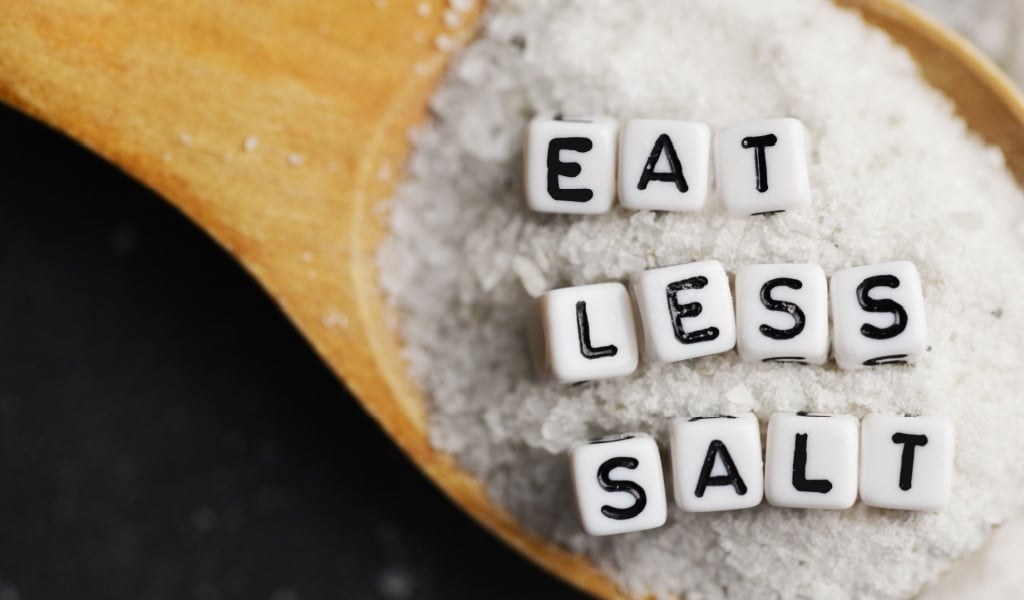
Salt, found naturally in some foods and added during processing, is a significant source of sodium, which the body needs. However, too much sodium—especially from processed foods—can raise blood pressure and increase the risk of heart disease and stroke.
Scientists funded by the National Heart, Lung, and Blood Institute are studying how excess sodium contributes to heart disease, a complex link not yet fully understood. Their goal is to reduce heart disease, the leading cause of death, and to encourage people to moderate salt intake.
Most people struggle to avoid high-sodium foods because salt is hidden in many processed and packaged products, such as canned soups, snacks, and deli meats. Many do not realize how much sodium they consume, as even foods that don’t taste salty can contain high levels of sodium.
The Centers for Disease Control and Prevention report that over 40% of daily sodium intake comes from 10 food categories—processed items like pizza, sandwiches, deli meats, soups, cheese, tacos, potato chips, fried chicken, eggs, and breads. These foods often have high levels of added sodium during manufacturing, even when they don’t taste salty.
One of the most effective ways to reduce sodium intake and protect heart health is to follow the Dietary Approaches to Stop Hypertension (DASH) eating plan. The DASH diet limits fats, added sugars, and high-sodium foods while emphasizing fruits, vegetables, whole grains, low-fat dairy, beans, nuts, fish, and lean meats.
Increasing intake of potassium-, magnesium-, and calcium-rich foods while reducing sodium intake supports heart health.
Simple Ways to Reduce Sodium Intake
Fresh vs Processed Foods
Choosing fresh over processed foods helps. Eat more fruits and vegetables; limit frozen meals, fast food, packaged mixes, and canned soups. Prefer fresh or frozen poultry, fish, and lean meats over cured, smoked, or brined products. Cooking at home lets you control how much salt you use.
Watch Out For The Labels
Read nutrition labels. Choose foods labeled low-sodium, reduced-sodium, or no-salt-added. Salt appears as sodium chloride, MSG, baking soda, sodium nitrate, and sodium benzoate. Select products with less than 140 mg of sodium per serving.
When comparing similar products, you will often find significant differences in sodium levels between brands. Aim to stay within the recommended daily limit of 2,000–2,300 mg of sodium.
Be cautious with foods that don’t taste salty, such as breads, cereals, sauces, and salad dressings, which can quietly increase daily sodium intake.
Use Other Flavours
Enhance flavor without salt by using herbs, spices, garlic, lemon, lime, vinegar, or salt-free seasoning blends. These boost taste and often have health benefits. Gradually reduce the amount of added salt to help your taste buds adjust. Cutting salt lowers the risk of heart disease.
Be Smart with Condiments and Sauces
Condiments are primary hidden sodium sources. Use them as ‘seasonings, not sauces’ and follow ‘dip, don’t drench.’ Watch for high-sodium dressings, ketchup, barbecue sauce, soy sauce, pickles, olives, and sauerkraut. Even low-sodium options should be used sparingly. Ask a dietitian or healthcare professional for help managing your sodium intake.
How Much Salt Is Okay?
The World Health Organization recommends no more than 2,000 mg of sodium per day, which is just under one teaspoon of salt. Most people exceed this because sodium is often hidden in processed and packaged foods, including sauces, cheeses, chips, canned goods, ready-to-eat meals, and even some sweet snacks.
In Summary
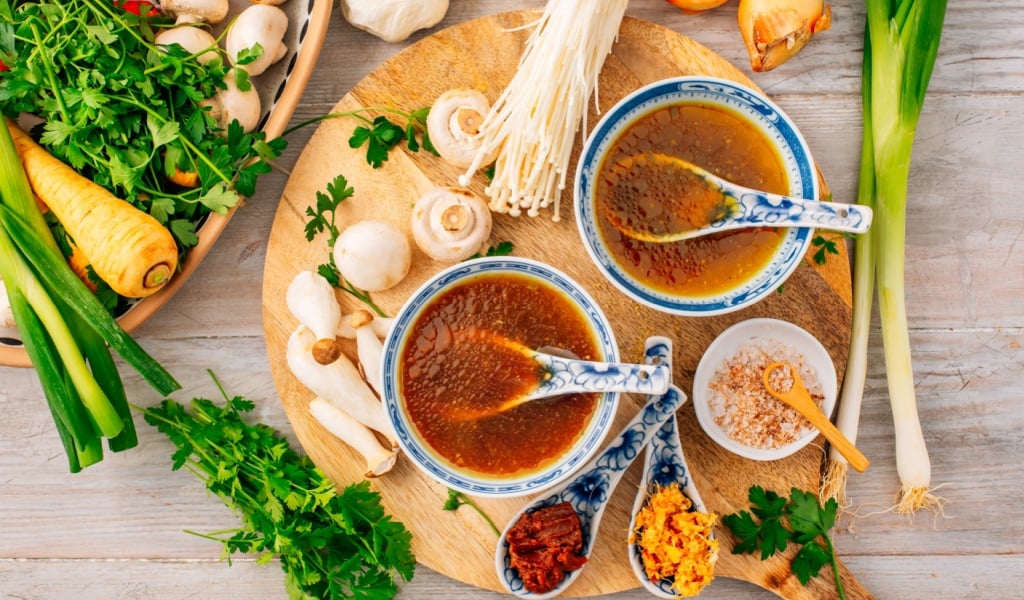
Cutting salt doesn’t mean bland food. Fresh herbs, onions, spices, citrus, mustard, vinegar, and chili add flavor. Roasting, grilling, and sautéing enhance taste.
Clever flavour layering, such as using small amounts of salty foods like olives or parmesan, balancing textures, and adding umami-rich ingredients like mushrooms, keeps meals satisfying without the need for excess salt.
The good news is that you don’t need to eliminate salt overnight. Gradual reductions allow your palate to adapt naturally. Small changes over time can lead to meaningful health benefits.