
As winter turns into spring, are you ready to help your houseplants thrive again?
As winter gives way to spring, your houseplants notice the change, too. After months of low light and dry air, your plants are ready to grow again. Now’s the perfect time to give them extra care.
Before diving into specific tips, remember that a few simple tweaks can go a long way. Consider it as spring cleaning for your plants. Small adjustments to watering, light, and general care can help them recover from winter dormancy and begin the growing season strong. Here’s how to help your houseplants flourish during this season.
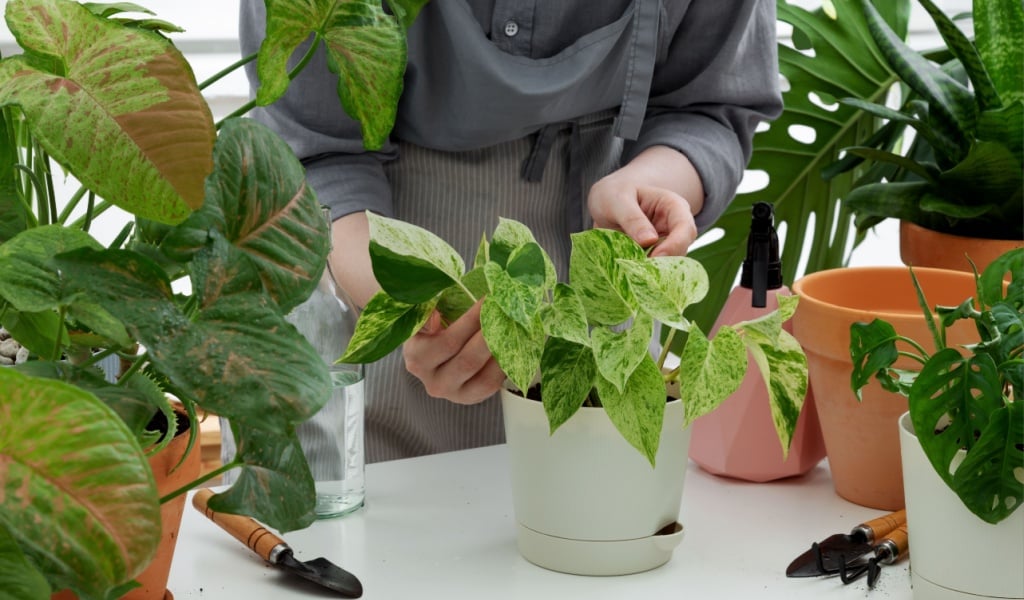
Move Plants Closer to Light
One of the major challenges for houseplants in winter is a lack of sunlight. Shorter days and lower sunlight can leave plants looking leggy or droopy. Fortunately, spring offers a natural solution. As daylight hours increase, plants gain more energy to produce fresh leaves and stronger stems.
Move plants closer to windows to let them enjoy some natural light. Just watch out for direct sun—some plants need bright, indirect light, and sudden, strong sun can burn their leaves.
Your plants can also be leaning toward the light. To prevent plants from growing sideways in search of sunlight and to help promote balanced growth, rotating the pot every week or two is necessary.
Resume Plant Feeding
Winter is generally a rest period for houseplants, so fertilizing frequently takes a back seat. However, during spring, they require more nutrients to sustain their growth.
This is the best time to reintroduce fertilizer into your plant care routine. Many experts advise using a balanced fertilizer at half strength to prevent overwhelming the roots. Feeding your plants every few weeks during spring offers essential nutrients that promote healthy leaves, stronger stems, and brighter color.
Repot If Necessary
Most people agree that repotting houseplants is best done in the spring. Plants can more easily bounce back from the stress of being moved into a new pot as they enter their active growth period.
It may be time for a bigger space if you notice roots emerging from drainage holes, soil drying up too soon, or a plant that seems too big for its pot. Repotting into a pot just one size bigger gives the roots enough space to grow. Fresh potting mix also restores nutrients and enhances drainage, helping plants thrive throughout the growing season.
Prune the Plants
Spring is also a perfect time to give your houseplants a light trim. During winter, plants may develop lanky stems, yellowing leaves, or dead growth that depletes energy from the rest of the plant. Pruning helps redirect that energy toward healthy new growth. Trim down long stems just above a leaf node and cut off any damaged or dying leaves.
This easy step promotes fuller, bushier plants and keeps them looking neat. As a bonus, many cuttings can be propagated in water or soil, meaning your pruning session may produce brand-new plants.

Clean and Revive the Leaves
After months of indoor heating and dust buildup, houseplant leaves frequently end up coated with a thin layer of dirt. And dusty leaves can block sunlight, affecting photosynthesis.
Giving your plants a quick clean can make a significant difference. You can wipe the leaves lightly with a moist cloth, or you can rinse stronger plants in the sink or shower. Not only will your plants absorb light more efficiently, but they’ll also look fresher and livelier. Shiny green leaves immediately make any place feel brighter and more vibrant.
Water More (Gradually)
Most houseplants need less water during winter. Plants begin to grow again in spring and require more moisture to sustain that growth. Thus, start checking the soil more often. A quick tip: stick your finger about an inch into the soil; if it feels dry, it’s time to water.
But resist the desire to overwater. Plants prefer evenly moist soil rather than soggy conditions, which can result in root rot. Therefore, it’s important to water plants gradually and adjust the watering level for each plant.
Refresh the Soil If Necessary
Sometimes plants just need better soil, not a bigger pot. Old potting mix can get compacted, lose nutrients, or absorb water poorly.
If you see crusty soil or poor drainage, refreshing the potting mix can help reestablish healthy growing conditions. Adding nutrient-rich amendments, such as compost or worm castings, can also offer a gentle boost to plants that look lethargic after winter.
Healthy soil is the foundation of your plant’s growth—improve the soil, and the whole plant benefits.
Welcome Spring with Flourishing Houseplants
As spring arrives, your houseplants are ready for a fresh start. With simple changes—more light, water, feeding, and pruning—you can help them adjust to the new season.
The best part is that these small acts of care often yield big rewards: brighter leaves, fresh growth, and the pleasure of seeing your indoor garden come back to life.
So, don’t wait—open your curtains now, grab your watering can, and give your leafy buddies the spring refresh they deserve. Start today and watch your plants and home come alive with the season’s energy!