
You’ve probably seen the Instagram reels featuring glowing celebrities sipping vitamin drips, athletes using them for faster recovery, and wellness gurus praising IV vitamin treatment as the secret to everlasting youth. But, beyond the allure and hashtags, many of us wonder: Is vitamin IV therapy truly safe and effective… or just another wellness trend?
Let’s break it down with scientific facts and practical insights.
Vitamin IV Therapy: What Is It?
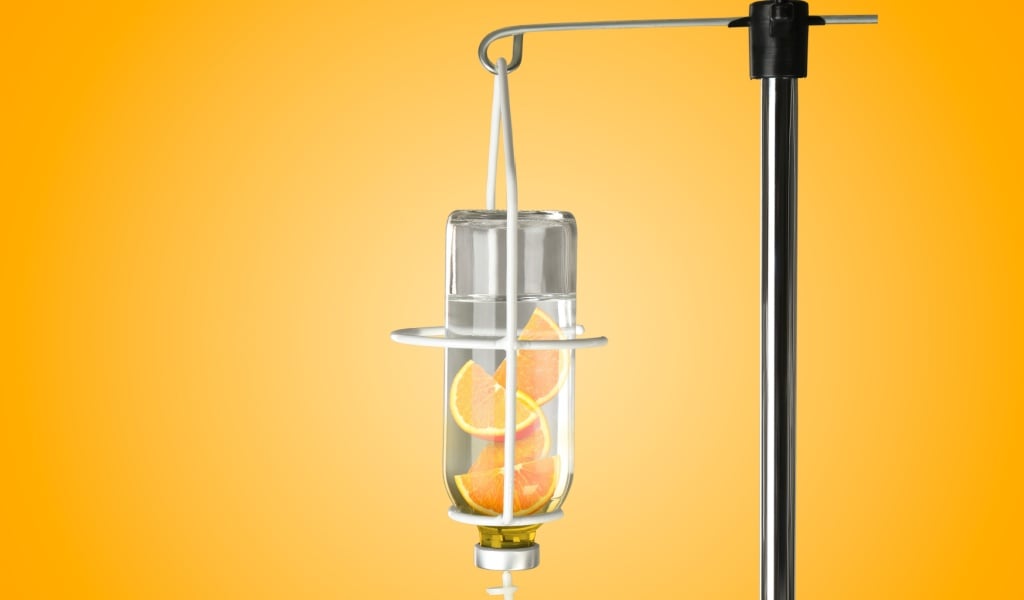
Basically, vitamin IV therapy uses an intravenous (IV) drip to deliver vitamins, minerals, and fluids directly into your bloodstream. The concept is simple: nutrients are absorbed entirely by bypassing your digestive system, rather than the partial absorption you get from pills or food.
If your bloodstream were a highway, IV infusions would be the express lane to your body’s cells, while oral vitamins take the scenic route with roadblocks and traffic jams (digestion).
IV therapy was first used medically to treat dehydration, nutritional deficits, or abnormal nutrient absorption. With promises of “better skin” to “a strong immune system,” it has now moved into wellness spaces, including spas and clinics.
Science and Vitamin IV Therapy
Anecdotes abound; science is cautious. While many individuals claim to feel better after IV therapy, these claims are anecdotal and don’t always guarantee long-term advantages. Solid evidence for healthy adults is limited and frequently anecdotal. Most scientific studies confirming the perks are either poorly designed or focused on particular medical conditions, such as severe dehydration or clinical deficits. For actual deficits or malabsorption problems, IV therapy has a clear role, and such cases are evidence-backed. When your gut doesn’t absorb nutrients well due to certain medical conditions, IV methods may be required. However, that’s a medical case.
Outside medically indicated conditions, IV vitamin therapy may help some people feel better temporarily, a claim largely anecdotal. However, it’s telling that only three small trials with fewer than 100 participants each have explored these benefits in generally healthy individuals, underscoring the lack of substantial evidence that it serves as a universal cure or longevity booster.
Alleged Perks
Supporters from clinics to wellness influencers point to plenty of benefits. Let’s examine the most prevalent claims:
Instant Energy Boost
Many people feel more energized after receiving an IV drip. This effect may be due to an influx of B vitamins and magnesium, the placebo effect, or a combination of the two. Direct nutrition delivery means your body gets a dose immediately, instead of waiting for digestion.
However, keep in mind that if you already get enough vitamins from food or supplements, these energy spikes may only be temporary.
Supports Immunity and Wellness
Certain IV drips have high doses of vitamin C, zinc, and antioxidants—ingredients linked to immune health. Clinics claim this may help prevent cold, flu, and the usual sick-season blues.
Here’s the catch: while these nutrients support immunity, there’s limited strong evidence that IV drips significantly boost immunity in healthy individuals.
Quicker Hydration
Hydration is the key benefit of a vitamin IV drip. Whether you’re dehydrated after a vigorous workout or a long flight, an IV drip quickly restores fluids and electrolytes.
Hospitals have used fluid IVs for decades. Nevertheless, outside of clinical dehydration, their advantage over water or sports drinks is often situational.
Enhances Skin Tone, Radiance, and Beauty
Biotin, glutathione, and vitamin C are frequently advertised as beauty boosters (for radiant skin tone or anti-aging effects). Clinics suggest these can promote collagen production or decrease oxidative stress.
Again, anecdotal reports are common; however, long-term scientific proof in individuals without deficiencies is scarce.

Safety Concerns
Most clinics emphasize safety when administered by skilled professionals, and yes, when done correctly, IV therapy can be low-risk for many individuals.
However, low risk doesn’t mean no risk. Here’s a breakdown of what to look out for:
Possibility of Getting Infections
An IV line means a puncture in your skin, which, if not sterilized, can introduce bacteria right into your bloodstream. Even minor infections, vein irritation, or bruising can happen.
Fluid Overload or Imbalances in Electrolytes
Rapid infusion of fluid and salts can overwhelm your body, particularly if specific organs, like the heart or kidneys, aren’t functioning at their best.
This is why people with kidney disease, heart problems, or electrolyte disorders are frequently advised to avoid these treatments without medical advice.
Absence of Universal Regulations
Unlike prescription medicines, most wellness IV vitamin services aren’t regulated by the U.S. Food and Drug Administration (FDA). As a result, reports about “immune boosting” or “anti-aging” are frequently more about advertising than medicine.
Without standardized supervision, clinic quality and safety protocols differ widely.
Toxicity of Vitamins
Most of us know that specific vitamins are water-soluble (such as vitamin C) and get flushed out if we overconsume them. However, others, particularly fat-soluble vitamins A, D, E, and K, can accumulate and become toxic in excess.
For instance, too much vitamin A might affect vision, too much potassium could interrupt heart rhythms, and excessive doses of magnesium can weaken muscles.
In That Case, Is It Worth It?
The breakdown is as follows:
Vitamin IV therapy can be safe and beneficial:
- To treat dehydration quickly.
- When you have identified deficiencies.
- If supervised by trained medical professionals in sterile settings.
It may also make you feel refreshed or more energized.
Clinically, it works best when:
- It’s used to correct actual clinical deficits.
- It’s given after a complete health history and monitoring.
- A doctor prescribes it as part of a medication plan.
Apart from that, consider it like a supplement booster, not a miracle cure.
Be cautious of:
- Claims such as “detoxifies your body” or “boosts immunity long-term” aren’t supported by solid evidence.
- Dangers related to frequent or improper administration.
- Costs associated with vitamin IV treatments, which are often not covered by insurance. Plus, the effects can be short-lived and not worth the fee.
Tips If You’re Considering It
If you’re inquisitive and still interested:
- Recognize your goals. Are you treating a deficiency? Fighting exhaustion? Or indulging in wellness fads? Goals help decide if it’s worth your time and money.
- Speak to your doctor first. Get blood work to determine your actual nutrient levels before you spend on something that’s not necessary.
- Select reputable providers. Look for qualified medical professionals, sterile environments, and precise ingredient lists.
Conclusion
Vitamin IV therapy exists in a gray area between medical treatment and wellness trends. When properly administered, it is generally safe and can be effective, especially in medically supervised settings. However, for an average healthy person, science does not currently back big claims such as “anti-aging fountain” or “immune supercharger.”
Remember, the key to long-term health remains the basics: a balanced diet, enough sleep, regular exercise, and proper medical advice. IV therapy can be a fun addition to these habits, but it should not replace good daily practices. So, enjoy your IV with awareness, and keep in mind: wellness is a journey, not just a drip. Always let sound evidence guide your choices, echo this mantra as your takeaway: “Facts first, wellness follows.”