
How fascinating would it be if a tiny insect like the bee could hold a powerful secret to fight breast cancer, one of the most common cancers among women? It sounds too good to be true, almost like science fiction, but cancer researchers have made a groundbreaking discovery that indicates that bee venom may, in fact, be a treatment option for breast cancer cells.
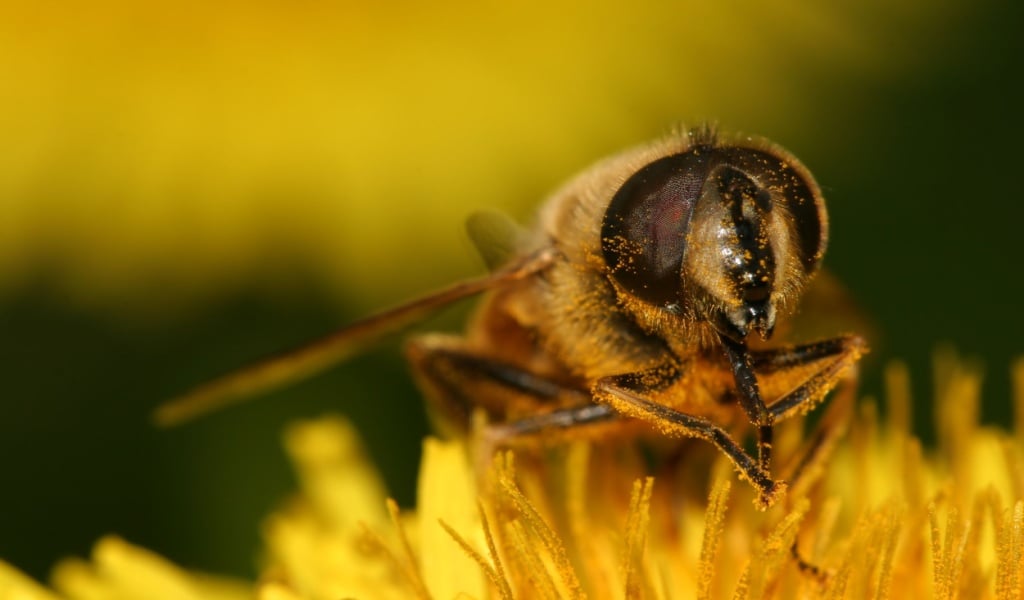
A team of researchers at the Harry Perkins Institute of Medical Research in Australia has been carefully studying how the main compound found in bee venom, known as melittin, can be used to selectively destroy breast cancer cells without harming healthy ones. This study has offered a glimmer of hope in the medical world, and researchers are exploring ways to engineer the compound into a cancer-fighting treatment tool. They have managed to develop a way to make it safe for injection, and the results obtained from these early studies have been astonishing.
This news provides immense hope for the future of cancer treatment. In preclinical studies, an injection caused cancer cells to die within just six hours, and the effects lasted up to one week. However, more research is needed before it can be used in humans. Nevertheless, the potential of this is very promising. It offers hope for tough cancers, like triple-negative breast cancer (TNBC), which is an aggressive form of cancer that does not have targeted therapies yet.
TNBC makes up a significant number of breast cancer cases, and it is tough to treat since it does not have the receptors that the common hormone therapies target. Patients who are diagnosed with TNBC need new treatment options, and this study can be crucial. According to the early findings in 2020, the study demonstrated that melittin can rapidly destroy TNBC cells. The research is currently building on that and is slowly making progress toward becoming a treatment option for patients who are battling with this aggressive form of cancer.
If you have been stung by a bee, you’ve likely felt the effects of its venom. The compound responsible for that pain is called melittin, and this works by punching holes in the cell membrane. The team of researchers has discovered that bee venom is particularly effective at targeting cancer cells without harming healthy cells. While raw venom is too allergenic and toxic to be used for treatment, this discovery serves as a blueprint for developing a safe drug.
The main challenge with using melittin is that it can damage healthy tissues when used in its natural form. To combat this, the team of researchers has engineered a targeted melittin, and by adding specialized components, they have created a version that can be safely injected into the bloodstream. By introducing specialized components to melittin, the team was able to enhance its precision, enabling it to target tumor sites and destroy cancer cells without harming healthy ones. Moreover, the study also demonstrates that melittin can interfere with the signalling pathways within the breast cancer cells and help diminish cell replication.

So what does this mean for the future of cancer treatment? Well, there is no denying that this is exciting news, but it’s essential to be realistic about our expectations as well. It should be understood that targeted melittin therapy is identified as a means to complement, rather than replace, existing treatments such as radiotherapy and chemotherapy. The overall goal is to develop a targeted therapy system that can eventually replace traditional treatments, making it a viable alternative with fewer side effects.
Clinical trials are a long process, and many promising drugs fail to pass these tests. While we cannot jump to conclusions yet, there is considerable hope in the effectiveness of the bee venom compound when combined with an existing chemotherapy drug. Therefore, if bee venom therapy passes clinical trials, it may replace some drugs in current chemotherapy regimens, making treatment options safer and less toxic for patients.
Final Thoughts
This study is a prime example of how compounds found in nature can be utilized to treat human diseases. Of course, more work is needed to determine if bee venom can be effectively used as a cancer-fighting drug, and even researchers acknowledge that it’s still very early days to draw any conclusions.
Many compounds can kill breast cancer cells in a mouse or in a dish, but the road ahead for those discoveries to change clinical practice is lengthy and arduous. Accordingly, the journey from a bee sting to a cancer drug is a complex one, but the progress has been promising. There are many hurdles to overcome before it becomes a treatment option. Still, with cutting-edge science and the power of nature, there is an undeniable promise that this discovery holds for people battling cancer.