If you drink diet cola, sprinkle sugar substitutes in your morning coffee, or chew sugar-free gum, you’re probably pleased with yourself. After all, picking no-calorie sweeteners seems wiser—less sugar, fewer calories, and no crash.

But what if those harmless packets and carbonated drinks are deceiving your brain? That’s a concerning thought, and it’s backed by recent research published in “Neurology” and highlighted by the American Academy of Neurology (AAN). Researchers have discovered that regular sugar substitutes, used by millions daily, may be associated with a startling 62% faster decline in memory and cognitive skills as people age. 62% is not a small number, but one that makes you pause mid-sip.
Analyzing the Research in Detail
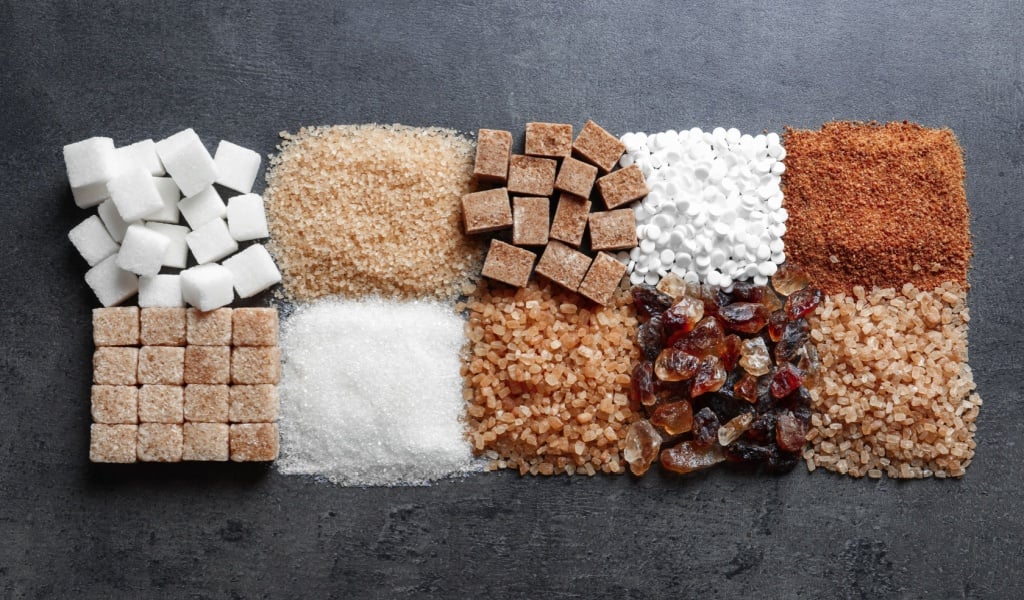
Brazilian researchers monitored over 12,700 adults for nearly eight years. The average starting age was 52, indicating individuals with considerable brain function. During the research, participants completed diet surveys and took cognitive tests that measured memory, reasoning, and intellectual speed. Researchers then concentrated on seven sugar substitutes:
- Aspartame
- Erythritol
- Saccharin
- Sorbitol
- Acesulfame-K
- Xylitol
- Tagatose
The outcome? The individuals in the highest consumption group (around 191 mg per day) experienced cognitive decline 62% faster than the individuals in the lowest group (about 20 mg). That adds up to approximately 1.6 additional years of brain aging. And the effect wasn’t limited to seniors; individuals under 60 actually showed higher links, as did those with diabetes. For context, a single can of diet soda contains around 200 mg of sweeteners.
However, not every sweetener looked bad. Tagatose didn’t show the same link, hinting that not all substitutes carry equal risks.
Why Do Common Sugar Substitutes Affect the Brain?
At first glimpse, the link looks puzzling. If these sweeteners are calorie-free and designed to be metabolically neutral, why would they damage the brain? Researchers don’t have a conclusive answer for this yet, but some possibilities are given:
- The gut-brain connection: Sweeteners have been shown to disrupt the microbiome, and imbalances in gut bacteria can affect inflammation, immunity, and cognition.
- Oxidative stress: Certain metabolites resulting from the breakdown of sweeteners may increase oxidative stress, potentially harming neuronal health over time.
- Vascular effects: Certain substitutes may have minor effects on blood vessels or blood sugar regulation, which could potentially impact the brain.
These theories are not proven yet, but when combined, they paint a picture of possible long-term risks that extend far beyond a sugar craving.
Aren’t These Substitutes Approved, though?
Here’s where it gets complicated. Organizations such as the U.S. Food and Drug Administration (FDA) have approved these sweeteners as safe to consume within certain daily limits. That’s why they’re all over the place, from sodas and yogurts to energy drinks and protein powders.
The new research doesn’t deny those safety approvals. It doesn’t claim that these sweeteners are toxic in the same way that mercury is. Instead, it advises that long-term, regular use might carry subtle effects on brain health that authorities didn’t anticipate many years ago.
It is also important to emphasize that this was an observational study. That means it shows correlation, not causation. People who consume more sugar alternatives may also eat differently, exercise less, or have other health issues that contribute to faster cognitive decline. However, the immense magnitude of the link makes it difficult to dismiss it.
How to Handle It
So, do you have to toss every sugar-free snack, soda, or protein shake at home? Not necessarily. However, it’s worth reconsidering how much you depend on these sweeteners. Here are some practical steps you can take:
Take inventory: Read the labels of your favorite foods and beverages; you may be surprised at how frequently aspartame, erythritol, or saccharin are included!
Cut back gradually: If diet soda or sugar-free lattes are part of your regular diet, try cutting back one serving at a time. Replace it with water, sparkling water with citrus, or unsweetened tea.
Use natural sweeteners in moderation: Honey, maple syrup, or dates can be used occasionally in moderation.
Pay attention to whole foods: A diet rich in vegetables, fruits, grains, and healthy fats supports brain health more than ultra-processed sugar-free foods.
Use creativity in flavor: Vanilla, mint, cinnamon, and citrus zest can add flavor without the need for sugar or substitutes.
Who Needs to Pay Attention?
The research emphasized two groups in particular:
- People with diabetes: Many diabetic patients depend heavily on sugar-free products to prevent glucose spikes. Ironically, this research emphasizes that strategy might trade one health risk for another.
- Adults under 60: We frequently think of dementia and memory issues as concerns for later life, but growing evidence claims that midlife habits lay the foundation for cognitive health decades later. If sweeteners hasten the decline at this stage, the long-term consequences could be severe.
Do You Need to Quit?
The balanced takeaway on this is as follows:
- The research doesn’t prove causation, but the strength of the correlation makes it worth taking seriously.
- Occasional use is probably okay. Regular, heavy dependence, however, might not be the best long-term move.
- Not all sweeteners are equally harmful; tagatose, for instance, didn’t show the exact correlation.
Instead of chasing a perfect substitute, the more astute choice would be to decrease your overall dependence on sweets, whether they’re made from regular sugar or its substitutes.
The Significance of This Research
This study challenges a core cultural belief: that sugar-free food is healthier. Artificial sweeteners have been promoted for years as a savvy alternative or a way to avoid the adverse effects of sugar. However, this study suggests that the switch might not be as harmless as we once thought. It turns out we could be paying the price with our brains. It also highlights something many people overlook: brain health is not limited to old age. Our cognitive and memory skills might be affected by what we eat in our 30s, 40s, and 50s.
The Sweet Truth
Well, it’s actually funny how we created sugar substitutes to protect ourselves from sugar’s harm—weight gain, diabetes, cavities, and metabolic disease. And now, years later, we’re learning that they might have a hidden cost.
However, this doesn’t mean you need to restrict yourself to bland food and drinks. The proper balance, moderation, and natural flavors are still the safest course of action.
Next time you reach for that sugar-free soda, stop for a moment and ask yourself: Is it genuinely guilt-free, or is it simply a different type of bet? Your future self, who hopes to remember names, birthdays, and where you left your keys, may thank you for thinking ahead!