
Stress response is a fascinating study. Understanding it and how it can be your key to transforming overwhelming reactions into manageable moments is incredibly powerful. It helps you regain control when you need it the most.
So what is the stress response? It is the way your body seems to have a mind of its own during exhausted, tense, or overwhelming moments.
When we feel threatened or perceive danger, our body’s sympathetic nervous system activates in several ways, commonly referred to as the fight, flight, freeze, or fawn responses. The sympathetic nervous system is part of the autonomic nervous system, which controls automatic bodily functions such as heart rate, breathing, and digestion. When it detects danger, it switches the body into survival mode.
These natural reactions involve the automatic release of stress hormones like cortisol and adrenaline. Adrenaline increases your heart rate, sharpens your focus, and prepares your muscles for quick action. Cortisol helps regulate energy by increasing glucose in the bloodstream and enhancing the brain’s use of that energy.
While these hormones are helpful in real danger, frequent activation can exhaust the body over time. Recognizing these responses in your body and developing healthy ways to manage them can significantly improve your mental and physical well-being.
This article provides a comprehensive explanation of the four stress responses to help us understand how people react differently under pressure.
The Study of Fear Response
The concept of stress and how we respond to it has evolved over time. In the early 1900s, physiologist Walter Cannon described the knee-jerk reaction to stress as the “fight or flight response.” He observed how animals reacted to threats and explained how the body prepares itself to confront or escape danger.
Since then, many researchers have identified and recognized additional responses, expanding our understanding to include the freeze and fawn reactions. These responses are physiological changes that occur when faced with a perceived threat. They are part of your body’s natural defense system, designed to protect you from harm.
The Four Fs
Here is what each response typically looks like:
- Fight: Confronting the threat directly or aggressively. This may involve raised voices, defensive behavior, or physical tension. The body prepares for confrontation: muscles tighten, breathing quickens, and the mind focuses intensely on the perceived danger.
- Flight: Removing yourself from the situation through any available means. This could mean physically leaving, avoiding confrontation, or even mentally “escaping” through distraction. Your heart rate increases, and your body prepares for quick movement.
- Freeze: Becoming temporarily unable to move or act when facing a threat. This response can feel like being stuck, numb, or disconnected. It is the body’s way of pausing to assess danger or avoid detection. Although it may feel like weakness, it is actually a protective survival strategy.
- Fawn: Attempting to please or appease the threat to minimize potential harm. This response often develops in situations where confrontation or escape feels unsafe. A person may become overly accommodating, suppress their own needs, or prioritize keeping others calm to maintain safety.
When you feel threatened, your body responds immediately, often before your conscious mind fully understands what is happening. Regardless of which reaction occurs, your nervous system’s goal remains the same: minimize danger and return to a state of calm. After the threat passes, the parasympathetic nervous system works to restore balance by slowing the heart rate, relaxing muscles, and stabilizing breathing. Understanding these mechanisms can help you develop effective coping strategies, such as deep breathing, grounding exercises, mindfulness, or seeking social support.
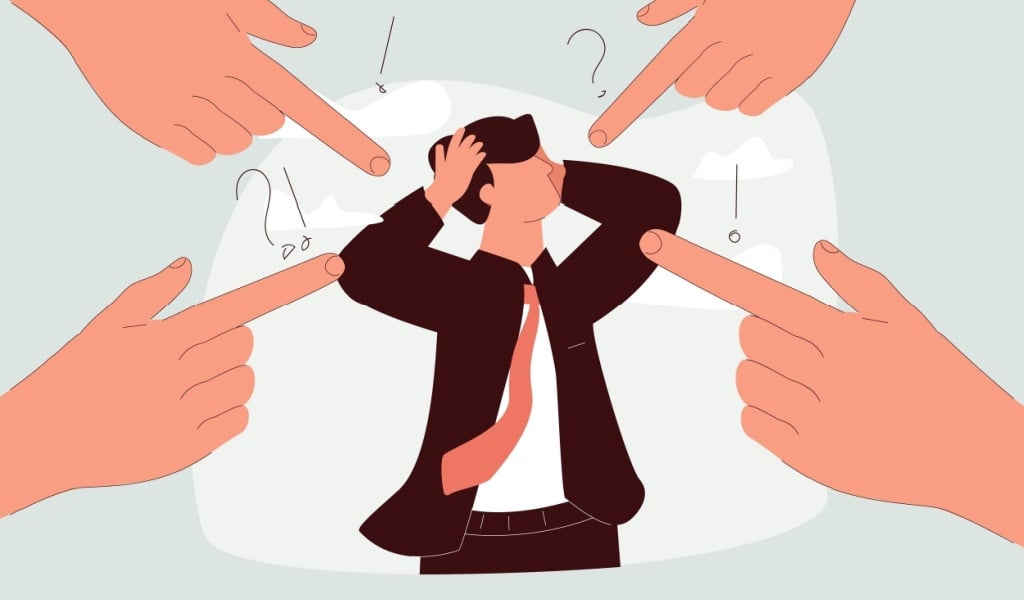
These responses can also be triggered by everyday stressors, anxiety disorders, or past trauma. In such cases, your body might react intensely to situations that pose no immediate danger. For example, public speaking anxiety might trigger a strong nervous system response like sweaty palms, racing heart, shaky voice, and this could happen despite there being no physical threat. Why does the body respond this way? It is because the brain interprets the situation as unsafe, even when it is not life-threatening.
An overactive stress response system can negatively impact mental health. Chronic stress may contribute to anxiety, depression, sleep disturbances, weakened immunity, digestive problems, and difficulty concentrating. When the body remains in survival mode for too long, it struggles to return to balance. This is why many people who experience ongoing stress always feel exhausted despite not doing much physical work.
So, in a nutshell, stress response could be either physical or psychological. Different people may respond differently to stress. Your particular stress response, whether fight, flight, freeze, or fawn, depends on several factors, including your natural tendencies, typical reactions to conflict, past experiences, and the specific situation. No single response is “better” than another, and all are natural defensive reactions designed to protect you.
Which One Are You?
With all that you’ve read so far, can you recognize which one of the four f’s you tend to gravitate towards most often? Let’s elaborate:
When faced with danger or a confrontation, your first instinct might be to fight back and defend yourself. You might find yourself getting into arguments or fights when triggered.
On the opposite end of the spectrum, you may be so averse to conflict that you’d take any opportunity to flee the moment your body starts to sense discomfort.
You might freeze if overwhelmed by physical or emotional sensations. Some people find themselves unable to move during traumatic situations if they believe they cannot escape or fight back effectively, particularly if previous attempts to fight or flee similar situations were unsuccessful.
However, the fawn response is frequently associated with abusive relationships and traumatic interpersonal experiences. Someone who has previously been unable to safely fight or flee from abuse might unconsciously begin to “fawn” by trying to appease their abuser to protect themselves from further harm.
In conclusion, it is very important to recognize your stress response to have a peaceful mind and a calm body. By doing so, you can help yourself in times of stress, take control of your reactions, and improve your overall health. Additionally, mindfulness techniques, breathing exercises, regular physical activity, and seeking professional support can help calm an overactive nervous system and promote resilience.