
Summer brings backyard barbecues, beach days, road trips, and refreshing juices. While many people focus on heat fatigue and staying hydrated as temperatures rise, another seasonal health problem often goes unnoticed despite affecting millions each year: food poisoning.
While it may not receive as much attention as heat-related sicknesses, foodborne illness tends to surge during the warmer months. Higher temperatures create the ideal environment for bad bacteria to multiply, turning a happy picnic into a stomach-problem disaster.

Why Food Poisoning Tends to Spike During Summer
Summer is the perfect time of year for bacterial growth. Warm weather accelerates this growth, especially when food is exposed to heat for too long.
When exposed to temperatures above 40°F (4°C), foods that are safe when refrigerated can quickly become dangerous. Whether you’re eating outside, preparing a picnic, or attending a barbecue, food often spends more time outside in summer than it would in winter.
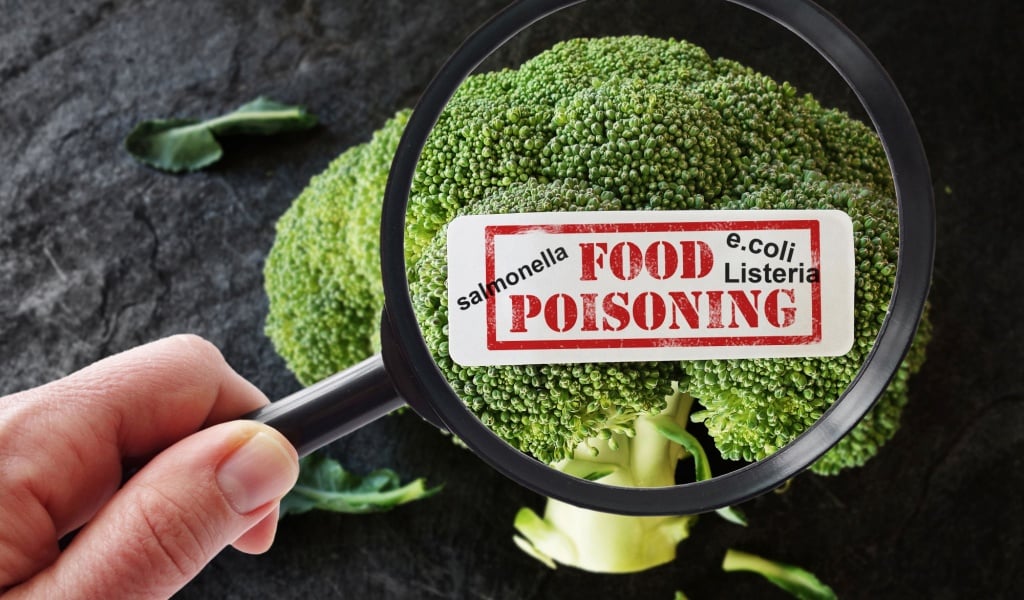
When food is improperly stored or cooked, harmful bacteria such as Salmonella and E. coli can grow quickly.
The Shocking Number of People Affected
The statistics show that foodborne illness is not as rare as many people think. Every year, millions of people contract foodborne illness, with the summer months accounting for a significant portion of these instances. According to estimates, one in six people experiences foodborne illness every year.
Even mild cases of foodborne illness can make people miserable for days. Since symptoms often resemble a stomach bug and resolve without medical attention, many cases go unreported.
Types of Food Most Likely to Cause Issues
While almost any food can become contaminated if handled incorrectly, certain foods carry a higher risk during hot weather. These include:
- Eggs
- Unpasteurized dairy products
- Leafy greens
- Salads that are mayonnaise-based
- Pre-cut fruits
- Poultry that is raw or undercooked
- Seafood
- Ground beef
- Desserts made with dairy
That doesn’t mean you should avoid these foods completely. Proper storage, cooking, and handling significantly lessen the risk of foodborne illness.
Summer Activities That Raise the Risk
Many popular summer activities create opportunities for food contamination.
-
Picnics and Outdoor Get-togethers
When food is left outside in the heat, bacteria can multiply surprisingly faster. Potato salad, pasta salad, sandwiches, fruit trays, and dairy-based food may become harmful if left unrefrigerated for more than a few hours, especially on hot days.
-
Backyard Barbecues
Grilling is mostly a summer ritual, but undercooked burgers, chicken, and hot dogs can contain harmful bacteria.
-
Festivals and Outdoor Events
Food vendors usually follow safety regulations; however, large crowds and high temperatures can still increase risks if food-handling practices aren’t good.
-
Road Excursions
Long trips frequently involve snacks and meals stored in coolers. If the cooler is improperly packed or the ice melts, food may enter the temperature “danger zone” where bacteria grow quickly.
Common Food Poisoning Symptoms
Symptoms can vary depending on the kind of bacteria, virus, or contaminant involved; however, some of the most common symptoms are:
- Diarrhea
- Fever
- Headaches
- Nausea
- Vomiting
- Dehydration
- Cramping in the stomach
- Pain in the abdomen
- Weakness
Since foodborne illness frequently causes fluid loss through vomiting and diarrhea, dehydration can be a main concern—particularly during hot weather.
How to Prevent Food Poisoning in Summer
The good news is that many foodborne illness cases are avoidable. Here are some easy and effective ways to be safe.
Wash Your Hands Often
Washing hands remains one of the most effective shields against foodborne disease. Wash your hands:
- Before cooking
- After handling raw meat
- After using the washroom
- After petting animals
- Before having meals
Using soap and water is always best whenever possible.
Cook the Food Properly
Using a food thermometer is one of the simplest ways to make sure foods reach safe internal temperatures. Don’t depend solely on appearance. Meat can look cooked on the outside while remaining undercooked inside.
Refrigerate Cold Foods
Refrigeration slows bacterial growth considerably. Store perishable foods at or below 40°F (4°C). If you’re going outdoors, use insulated coolers filled with ice packs. Avoid keeping food out for extended periods, especially on hot days.
Wash the Harvest Properly
Fresh fruits and vegetables are healthy summer foods; however, they can carry harmful bacteria if not washed thoroughly. Rinse the harvest under running water before chopping, cooking, or eating.
Be Cautious with Leftover Food
Many people underestimate how fast leftovers can become dangerous during the summer. Refrigerate leftovers immediately and put away any food that’s been sitting out too long. When in doubt, put it away.
Drink More Water
Hydration supports overall health and becomes even more crucial when illness strikes. Drink plenty of water throughout the day, particularly during extreme heat.
Pack Coolers Correctly
If you’re taking food outdoors, ensure to pack coolers with plenty of ice packs and keep them closed. Store drinks in another cooler, if possible, as beverage coolers are typically opened more often.
Avoid Cross-Contamination
Cross-contamination is another common problem. Using the same dish or utensils for raw and cooked meat can transfer bacteria directly onto ready-to-eat food.
Keep raw foods and ready-to-eat foods separately. Use different cutting boards, cutlery, and plates for raw meat and cooked food. Even small amounts of contamination can cause illness.
Why Hydration Is Important
Hydration helps prevent heat exhaustion. It also supports your body’s ability to fight foodborne illness. Vomiting and diarrhea can rapidly deplete your body’s fluids and electrolytes if you have food poisoning.
When people need something refreshing, many go for soda, but sugary soft drinks aren’t the best way to replace lost fluids. Clear broths, electrolyte drinks, and water are typically better options.
When to Seek Medical Attention
Most food poisoning cases go away on their own within a few days. But medical attention might be needed if symptoms worsen. Seek medical care if you experience:
- Continuous vomiting
- Symptoms of severe dehydration
- High fever
- Diarrhea with blood
- Symptoms that last for many days
Kids, older adults, pregnant women, and those with weakened immune systems should be particularly cautious.
Protect Yourself from Food Poisoning
Summer brings plenty of opportunities to enjoy delicious food and outdoor gatherings, but it’s also the season when foodborne illness is more common. Hot temperatures help bacteria multiply faster, so even minor food-safety mistakes can lead to foodborne illness.
Fortunately, simple habits can significantly reduce your risk. A little extra caution can help ensure your summer memories are filled with joy—not stomach aches.