Flying around the world is one of the dreamiest activities for all of us. Whether it’s for business, vacation, or work, travel is always exciting. However, as thrilling as it may seem, not all flights give us energy or good vibes, especially the long ones. It might feel tempting at first, spending hours in the sky, crossing continents, admiring the beauty above the clouds, and waking up in a new part of the world. Yet, while air travel offers unmatched convenience, our bodies undergo several physical and physiological changes during these prolonged periods in a pressurized cabin.
These changes are subtle for short flights but become increasingly significant on long-haul journeys, often leaving passengers feeling drained, bloated, stiff, or even disoriented. Understanding what happens to the body on long flights helps travellers take preventive measures and arrive feeling more refreshed and healthy.
The Air Pressure and Oxygen Drop
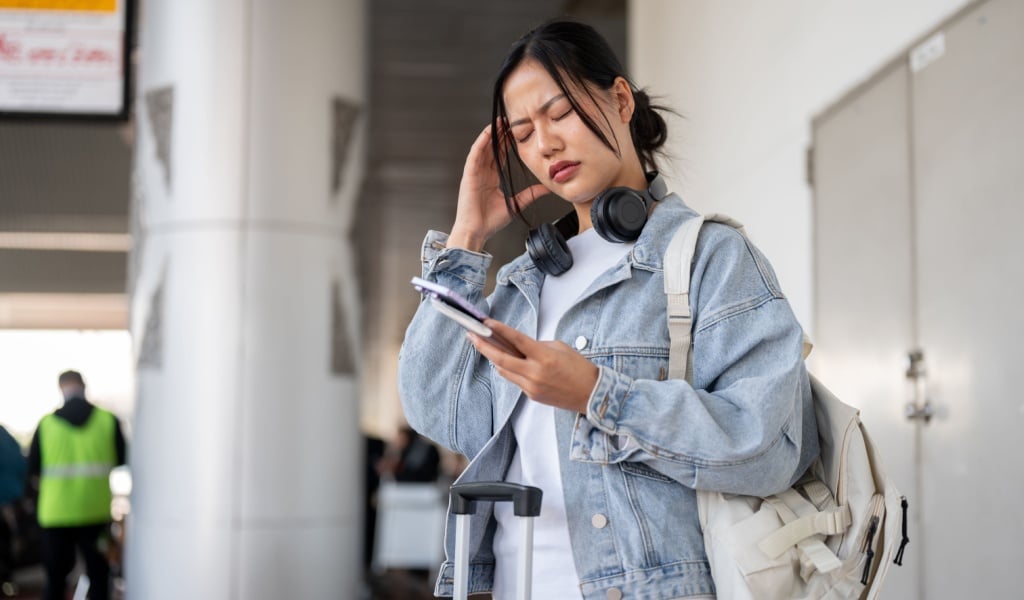
Airplane cabins are pressurized, but not to sea level. The cabin pressure usually mimics an altitude of 6,000 to 8,000 feet, meaning oxygen levels are lower than what our bodies are accustomed to on the ground. Diminished oxygen can cause fatigue, light-headedness, or mild headaches, especially for those with pre-existing heart or lung conditions. The reduced oxygen levels also force the body to work a little harder to circulate blood and maintain normal function, leaving you feeling exhausted by the time you land.
Dehydration and Dry Skin
Airplane cabin air is arid, with humidity levels often below 20%. In comparison, normal indoor humidity is around 40–60%. This dryness pulls moisture from your skin, eyes, and even respiratory passages, leading to dehydration, cracked lips, dry eyes, and a dull complexion. Passengers who consume caffeine or alcohol must be cautious, as it worsens dehydration. This lack of moisture is why many people feel unusually thirsty, tired, or experience headaches mid-flight. Therefore, it is recommended to reduce caffeine and alcohol consumption during long flights.
Swelling and Circulation Issues
Sitting still for hours restricts blood flow, and gravity causes blood and fluids to pool in the lower limbs, leading to swelling in the feet and ankles. This condition is known as ‘dependent edema’. While mild swelling is expected and harmless, prolonged immobility augments the risk of a serious condition called deep vein thrombosis (DVT), in which blood clots form in deep veins. These clots can be detrimental if they travel to the lungs. Moving your legs frequently, flexing your calves, and staying hydrated are crucial yet straightforward ways to reduce this risk.
Digestive Discomfort
Cabin pressure doesn’t just affect oxygen; it also influences gases within the body. The lower air pressure at altitude allows gases in the digestive system to expand, leading to bloating, stomach cramps, and discomfort. Meals eaten right before or during a flight are digested more slowly due to inactivity and dehydration. Processed airplane food, which is often high in sodium, further contributes to fluid retention and bloating. That is why even healthy eaters can feel sluggish and puffy after prolonged hours in the air.
Jet Lag and Sleep Disruption
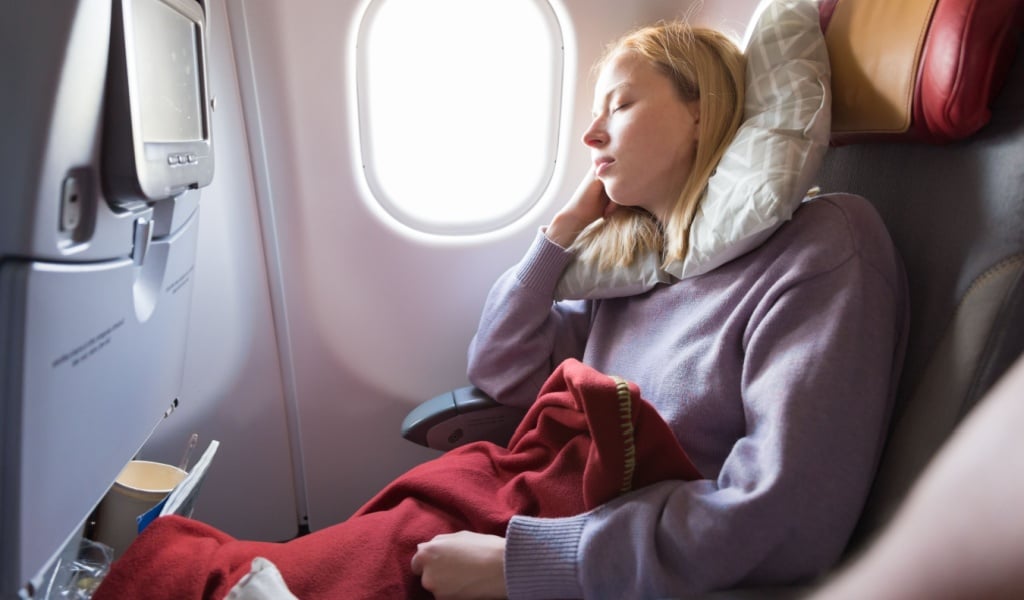
Jet lag is one of the most noticeable aftereffects of long-haul travel. It occurs when the body’s internal clock falls out of sync with the destination’s time zone. The result is fatigue, irritability, insomnia, digestive troubles, and a general sense of being off. Airplane conditions worsen this since passengers often don’t get quality sleep due to noise, cramped seats, and light exposure. Crossing multiple time zones intensifies disorientation, and the body can take days to adjust fully. Jet lag is also why you may not fall asleep right away when you travel to a country in a different time zone, which can worsen your condition.
Muscle Stiffness
Remaining seated for extended periods restricts joint movement and muscle activity, especially in the neck, shoulders, back, and hips. The cramped posture and limited legroom cause muscles to tense and joints to stiffen, which explains why travellers often disembark feeling sore and sluggish.
Immune System Weakening
Airplanes are enclosed environments with recycled air and proximity to hundreds of people. While modern filtration systems remove most bacteria and viruses, the dry air and fatigue can weaken the immune system, making passengers more vulnerable to infections such as colds or the flu. Additionally, touching shared surfaces, such as tray tables or armrests, can also transmit germs. Frequent handwashing or using hand sanitizer is a simple but effective precaution.
Post-Flight Recovery
When the plane finally lands, the body needs time to rebalance. Rehydrating, stretching, and getting natural sunlight help restore normal circadian rhythm and circulation. Eating light, nutrient-rich meals supports digestion and energy recovery. Sleep patterns may take a few days to normalize, especially after crossing multiple time zones. Regular movement and hydration can significantly shorten this recovery period.
In Summary
Long flights subtly challenge nearly every system in the human body, from circulation and digestion to sleep and mental focus. While most of these effects are temporary, understanding them helps travellers make conscious choices: drink plenty of water, move around frequently, avoid heavy meals, and adjust sleep schedules before and after travel. Flying is a modern marvel, but our bodies are still wired for life on the ground. With a bit of awareness and care, we can make the journey through the skies a more restorative and more comfortable experience!