
Ever look at a bland, colorless dinner and wonder why you feel tired or unsatisfied? Choosing a rainbow of vegetables can make all the difference. Not only is eating vegetables one of the most important parts of a healthy diet, but including a wide variety of fresh produce in your meals introduces nutrients that help shape a fit body and mind.
Cruciferous vegetables are a group of plant foods that are rich in vitamins and minerals your body needs every day. Leafy greens and other dark green vegetables fall into this category, but you’ll find cruciferous options in other colors too. Their name comes from the Latin word cruciferae, meaning ‘cross-bearing,’ because their flowers have four petals in the shape of a cross.
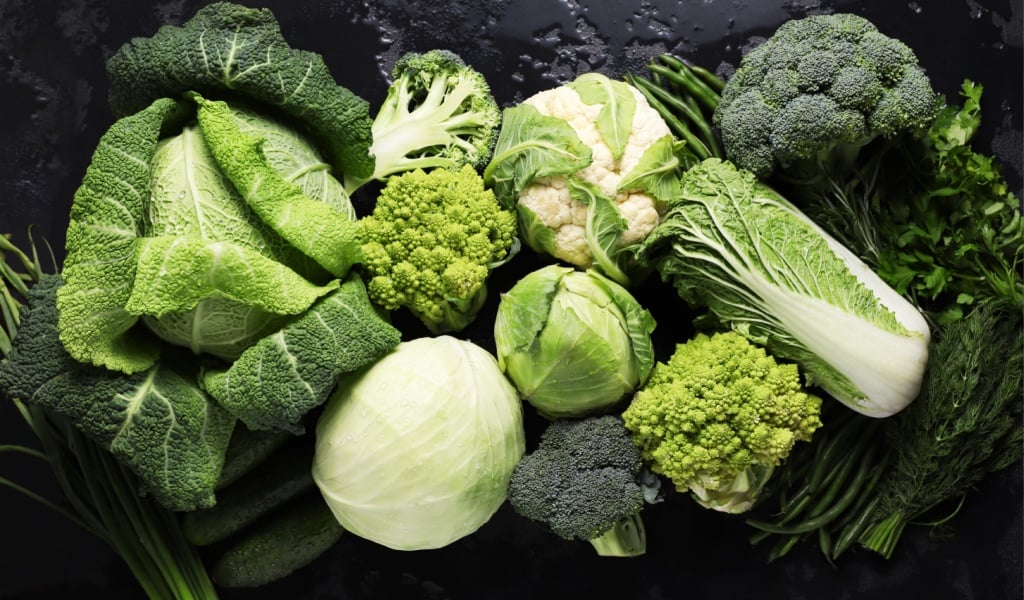
Including these vegetables regularly in your diet has been shown to lower rates of chronic diseases, including cancer and heart disease. For example, large studies like the Nurses’ Health Study and the Health Professionals Follow-Up Study have found that people who eat more cruciferous vegetables have a reduced risk of these diseases. They are also low in calories, high in fibre, and can help you feel full for longer, making them perfect for weight management and heart health. Let’s go through some benefits of consuming these vegetables and ways we can enjoy them in this article.
Rich in Vitamins and Minerals
Cruciferous vegetables are packed with vitamins like A, C, E, K, and folate, along with minerals such as calcium, potassium, magnesium, iron, selenium, copper, manganese, and zinc.
These nutrients support heart health and help regulate blood pressure. They also protect cells from damage caused by free radicals. Beyond that, vitamins and minerals are critical for metabolism, provide energy, and help create new, healthy cells.
High in Fiber
Cruciferous vegetables offer both soluble and insoluble fibre, making them essential for good digestion. Imagine enjoying a lunch packed with fibre-rich veggies that helps you feel energized and satisfied all afternoon, rather than experiencing the common afternoon slump. In addition to supporting healthy digestion, fibre improves cholesterol levels and blood sugar control. Moreover, it feeds the good bacteria in your gut, enhancing gut diversity.
Consuming enough fibre not only helps manage weight but also helps prevent obesity. When you’re constipated, eating fibre-rich vegetables becomes one of the best ways to ease your bowel movements and keep digestion running smoothly.
Low in Calories, High in Nutrients
Cruciferous vegetables deliver plenty of vitamins and minerals for very few calories. For instance, a cup of cooked broccoli has about 55 calories, far less than the 150 calories in a cup of potato chips. You’ll get a generous supply of vitamins A, C, and K, plus fiber, all with fewer calories when you choose broccoli.
May Help Prevent Cancer
Consuming cruciferous vegetables has often been linked to lower cancer rates. This may be because they contain compounds called glucosinolates, which are converted into active substances like sulforaphane when you chop or chew these vegetables. Sulforaphane helps your body fight cancer cells by neutralizing carcinogens and protecting against cancers such as breast, lung, and colon cancer.
Support Heart Health
Eating these vegetables can lower blood pressure and reduce harmful LDL cholesterol, keeping your heart safer and lowering your risk of heart disease. Research shows that regularly eating cruciferous vegetables can reduce LDL cholesterol by a few points. This effect is similar to walking 30 minutes daily or making modest changes, such as cutting down on saturated fat.
Help Balance Blood Sugar
Eating cruciferous vegetables regularly can help balance blood sugar, especially for individuals with diabetes. This is because they release sugar into the blood more slowly, helping prevent spikes. Try including about a cup of cooked cruciferous vegetables at each meal. Pair them with lean proteins and watch your portions of starchy foods to maximize these benefits.
Great for Bone Health
Many cruciferous vegetables are loaded with calcium and Vitamin K. Both nutrients are critical for strong bones and help ward off osteoporosis.
Support Detoxification
The natural compounds in these vegetables boost your liver’s detoxification enzymes. These enzymes help process and eliminate substances your body does not need. By supporting these natural detox processes, cruciferous vegetables enhance your overall well-being.
Boost Immune System
Packed with Vitamin C and antioxidants, cruciferous vegetables help your immune system fight infections and speed recovery from illnesses like colds. These nutrients build your defenses so you can bounce back quickly. They may even help you reduce the number of sick days you need. If you’re busy juggling work and family, adding more vitamin C-rich vegetables to your meals can mean more time spent feeling your best each day.
Improve Skin and Hair Health
One popular perk of including cruciferous vegetables in your diet is how their vitamins, minerals, and antioxidants support healthy, glowing skin. These same nutrients can also support and strengthen hair growth. Vitamin C is vital for collagen production, keeping skin firm, while Vitamin A aids healthy hair.
Ways to Enjoy Cruciferous Vegetables
Cruciferous vegetables can sometimes taste bitter. But what if you saw that bitterness as part of the experience? Imagine biting into a roasted Brussels sprout: first, a sharp tang wakes up your palate; then, warmth and nutty notes emerge. Treat it like a flavor adventure. Modern varieties and better cooking techniques can make these veggies delicious, turning that unique taste into something to look forward to.

Roasting or Sauteing
Best for cauliflower, Brussels sprouts, and turnips.
- Roast or pan-fry on high heat until browned.
- Add olive oil, garlic, parmesan, or bacon.
- Season lightly with salt and pepper.
Raw (Sliced, Shredded, or Grated)
Best for cabbage, cauliflower, broccoli.
- Add to salads, tacos, omelettes, or pizzas.
- Grate cauliflower or broccoli into ‘rice’ for fried rice or risotto.
- Pre-prepped mixes or slaws can save time.
Mashing
Best for cauliflower and mild vegetables.
- Mash cauliflower with potato or swede with carrot.
- Add spices for flavour.
Stir-Frying
Best for leafy greens, cabbage, broccolini, and bok choy.
- Stir-fry with garlic, soy sauce, sesame oil, or teriyaki marinade.
- Mix with chicken or tofu for a quick meal.
Soups, Stews, and Curries
Best for cauliflower, cabbage, kale, swede, turnips, and daikon.
- Add to soups, curries, or stews.
- Chop finely to blend with other ingredients.
Snacks
- Raw broccoli with yogurt or mustard dip.
- Veggie sticks or mini tasting plates.
- Bake or air-fry kale chips.
In Conclusion
We may not always prefer these vegetables, but greens and colorful options on our plate offer outstanding benefits. Increasing your intake of cruciferous vegetables can be a simple way to boost health, stay full longer, and enjoy more flavorful meals. With so many ways to prepare them, everyone can find a method that suits their taste buds. Start by choosing a few new cruciferous veggies to try this week, and notice how your energy, health, and satisfaction improve. Embracing these vegetables is a simple step toward a healthier, more vibrant you.