
Have you ever wondered how food items like strawberry yogurt, candy, designer drinks, and even lipstick shades get that deep red color? The answer may not be what you expect.
The secret to that lovely red color is often attributed to carmine dye, a colored extract derived from the dried, crushed shells of cochineal insects. These insects, members of the Coccidae family, are related to mealybugs, aphids, and whiteflies. They have oval-shaped bodies about the size of a grain of rice. Carmine dye is made from the acids that female cochineal insects secrete to ward off predators.
Since this is an inexpensive source of red dye, it contributes to a large share of the production of packaged goods and prepared foods, making them look more appealing. The bright red pigment can be found in a wide range of food products, including ice cream, snacks, sausages, candy, drinks, and cosmetic products.

History Of Carmine
Used in South America since the 10th century or earlier, Carmine, in particular, has a history dating back to the Aztecs in the 1500s. When Europeans discovered it during their explorations, they began using cochineal extract as a colorant to dye fabrics red. Gradually, it was also used as a colorant in food and cosmetic products.
Peru is the largest exporter of this dye, as the bug is mostly collected on prickly pear plantations in Peru and the Canary Islands. The prickly pear pads are collected and stored in warehouses, and workers will then gather the bugs off them. Since the female cochineal spends its entire life burrowed into the plant, extracting it is a tricky process.
How Carmine Is Made
There is really no delicate way to say this, but carmine is made by drying, crushing, and boiling the bodies of cochineal beetles. These insects, which love feeding on cactus, are taken and killed by immersion in hot water, by steam, by the heat of an oven, or by over-exposure to sunlight. Around 70,000 insects are killed to produce 1 pound of this red dye.
The crushed bugs are mixed with an acidic alcohol solution that brings out the dye’s properties, which will later be used for various purposes. This is why it’s also sometimes called cochineal extract. It may also be mixed with a solution like borax to achieve a specific color effect. Once mixed with water or other fluids, the dye turns bright red.
Controversies Surrounding Carmine
In 2012, Starbucks faced backlash for using carmine in its strawberry-flavored drinks, especially from vegans and others who don’t consume animals for religious reasons. Later, they announced they would stop using carmine in their strawberry products and use a tomato-based extract instead.
The concern over carmine comes primarily from the fact that about 22 billion to 89 billion female cochineals are killed every single year to produce carmine. People who followed a vegan lifestyle felt that the nature of the additives used in food products was not clearly disclosed, which was concerning for people with dietary restrictions due to religious reasons.
However, religious and personal reasons aside, there have also been some health-related risks regarding cochineal products. Research shows that exposure to carmine can cause serious allergic reactions, including anaphylaxis and asthma, as well as hyperactivity in children. The FDA has required companies that use carmine in their food and cosmetics to disclose it on their labels. At the same time, some people claim that carmine is better for the environment than artificial alternatives made from coal or petroleum byproducts.
Several cultures across the world have embraced eating insects, and bugs are even considered a protein-rich superfood. However, it is indisputable that consumers have a right to know what is included in the ingredients.
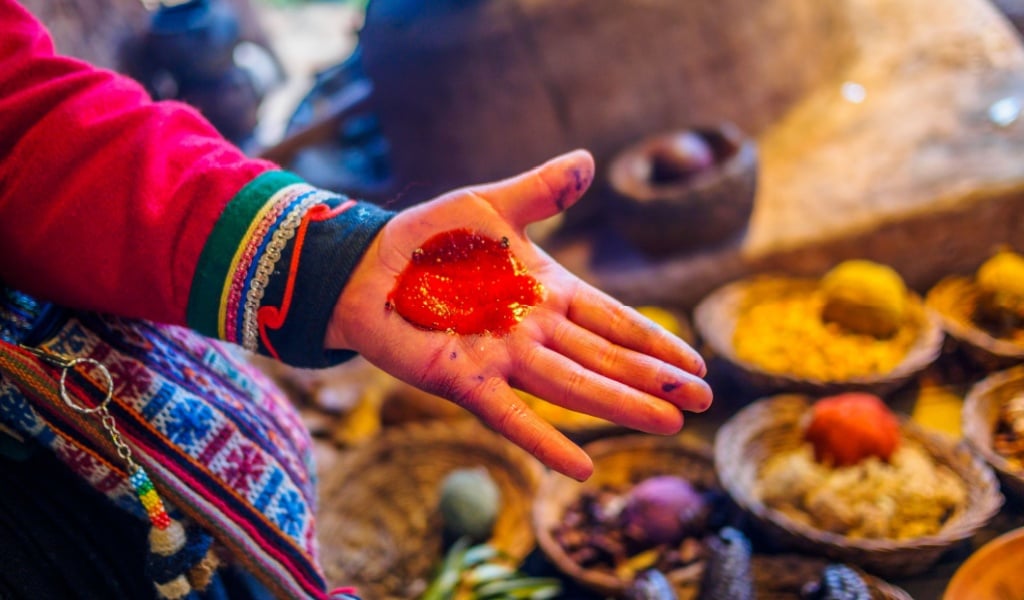
What Is Carmine Used For?
Carmine is commonly found in beverages, foods, cosmetics, and clothing. In the cosmetics industry, carmine is used to achieve vibrant red, pink, and orange shades in nail polish, eye shadow, lipstick, etc.
Carmine is generally considered safe if you don’t have an allergy to it. Since it’s made from a natural substance, there is no specific health risk compared to the toxic dyes prevalent in the market today.
You can check whether a product contains carmine on the ingredient label. It is listed as carmine, cochineal extract, carminic acid, Natural Red 4, carmine lake, and crimson lake.
Final Thoughts
There is a lot of discussion about the safety of food dyes. In the food industry, in particular, products are not always made with consumers’ health interests in mind. This is why people are more concerned about their food choices. In addition to reading the food label, consider the color additives.
If you find the idea of your food containing crushed bugs unappealing, or want to avoid it for ethical or religious reasons, there are alternatives. Toxic artificial food dyes are unhealthy, so prioritize safe ingredients. Plant-based alternatives to carmine come from fruits and vegetables such as beetroot, apples, berries, tomatoes, carrots, and sweet potatoes, which naturally provide red color.