
Your gut is like a busy small town—full of bacteria that live, work, and (hopefully) get along. When everything’s in balance, you feel energized, digestion gets easier, and even your mood can improve. However, when things go off track? Bloating, exhaustion, and discomfort can sneak in.
That’s where fermented foods come in. These tangy, funky, occasionally fizzy foods are filled with probiotics—those “good” bacteria that support a healthy gut microbiome. Fermentation, a process in which microorganisms break down sugars, not only preserves food but also improves its nutritional value and provides digestive benefits.

Why Are Fermented Foods So Important?
They matter because they introduce beneficial bacteria into your gut, which helps to push out harmful microbes and maintain balance. They also function as a form of “pre-digestion,” breaking down nutrients into forms your body can absorb effortlessly.
Even better, fermented foods can enhance microbial diversity, a crucial indicator of good gut health. The more diverse your gut bacteria, the better your body can manage digestion, immunity, and even inflammation.
Ready to give your gut a boost? Consider adding these fermented foods to your diet.
Kefir: The Powerhouse of Probiotics
If fermented foods had a popularity competition in the gut-health field, kefir would be a top contestant. This tangy, drinkable dairy product is rich in beneficial bacteria and yeast. Unlike regular yogurt, kefir has a wider variety of probiotic strains, sometimes dozens in a single serving, which makes it particularly powerful for boosting gut diversity.
Regular consumption may help enhance digestion, boost immunity, and even decrease inflammation. Additionally, it’s easier to digest than milk as the fermentation process breaks down a larger portion of the lactose.
You can enjoy kefir in smoothies, over oats, or simply on its own for a nourishing gut-friendly option.
Kimchi: The Classic Korean Favorite
This Korean classic, made from fermented cabbage and other vegetables, seasoned with spices, garlic, and chili, is flavorful, fiery, and extremely beneficial for your gut. Kimchi not only provides probiotics but also contains fiber and bioactive compounds that help reduce inflammation and aid digestion.
Add kimchi to noodles, rice bowls, sandwiches, or scrambled eggs to incorporate its unique flavor into meals.
Natto: The Acquired Flavor with Significant Advantages
Natto, a traditional Japanese food from fermented soybeans, is known for its strong flavor and unique texture. It contains probiotics, fiber, and vitamin K, supporting digestion and bone health.
Natto is undoubtedly an acquired taste, but if you can get into it, your gut will appreciate it.
Kombucha: The Fizzy Drink
Kombucha might be your preferred fermented beverage if you enjoy a little sparkle. This fermented tea is naturally carbonated and has a hint of sweetness and sourness.
Although the effects of kombucha can vary depending on the brew, it contains probiotics, antioxidants, and compounds that improve gut health. However, be cautious: some store-bought versions can be high in sugar, and excessive consumption may cause digestive discomfort or bloating, especially for those new to fermented drinks.
Sauerkraut: The Crunchy Digestion Supporter
Sauerkraut is fermented cabbage packed with beneficial bacteria for gut health and digestion. Since it’s also rich in fiber, sauerkraut promotes regular bowel movements and digestive function.
Look for raw, unpasteurized versions; pasteurization can kill beneficial bacteria.
Miso: The Umami King
Miso is a traditional Japanese paste made from fermented soybeans. It’s rich, flavorful, and full of probiotics. Beyond gut health, miso contains helpful enzymes and nutrients that promote digestion and overall well-being.
Miso is excellent in soups, marinades, and dressings, adding a rich, savory dimension to dishes.
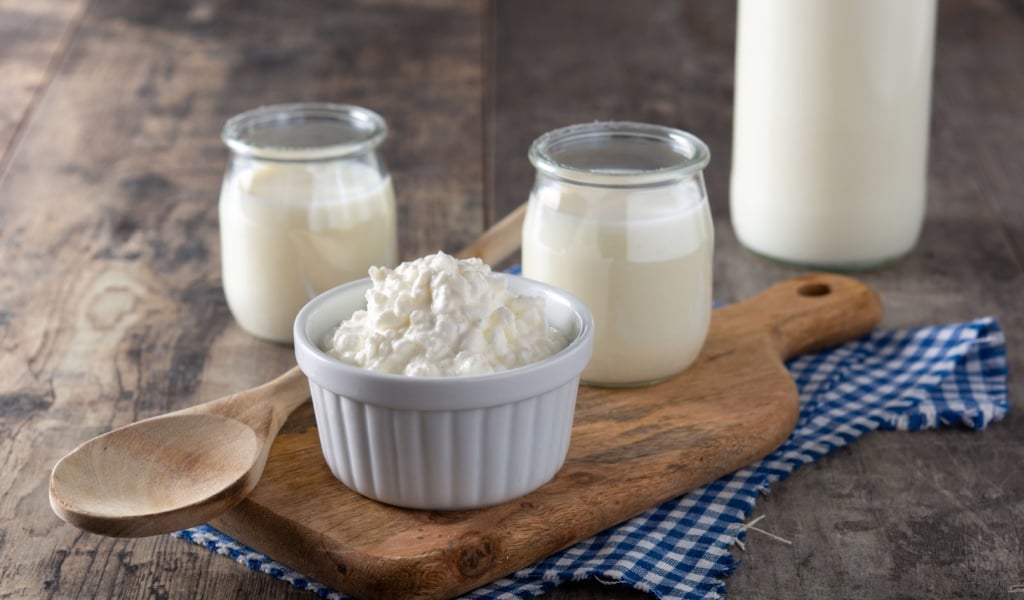
Yogurt: The Daily Staple
Yogurt is a familiar fermented food widely available and rich in probiotics. It provides a host of vital nutrients, including protein and B vitamins, and offers digestive comfort and support for overall gut health.
For the greatest benefit, opt for plain yogurt rather than sweetened varieties, and add fruits, nuts, or honey as desired.
Pickled Vegetables: Naturally Fermented Veggies
Not all pickles are equal. For gut health, choose those naturally fermented in saltwater, not vinegar. These include fermented cucumbers, carrots, and other vegetables loaded with good bacteria—making them a simple source of probiotics.
Enjoy them tossed into salads, sandwiches, or as a tangy snack.
Tempeh: The Plant-Based Champ
Tempeh is another soy-based fermented food item, but unlike miso, it comes in a firm, cake-like form. It’s loved by vegetarians and vegans because of its high protein content. Fermentation makes tempeh easier to digest and increases its nutritional value. It offers both probiotics and fiber, making it beneficial for gut health.
You can enjoy it by slicing and pan-frying it, tossing it into stir-fries, or using it as a meat substitute in sandwiches.
How to Include Them in Your Meals?
Before you go all-in on kimchi and kombucha, let’s face it: overdoing isn’t always a good thing. Experts advise starting small and increasing gradually, such as with a glass of kefir, a cup of yogurt, or a spoonful of sauerkraut. This helps you avoid discomfort like gas or bloating and gives your gut time to adjust.
Variety is also essential. Mixing things up helps create a more balanced microbiome since different fermented foods contain different types of bacteria.
The Significance of Consistency and Lifestyle
While fermented foods can do magic to your gut health, they’re not a cure-all on their own. Gut health flourishes on consistency and a balanced lifestyle. Pairing fermented foods with a fiber-rich diet like fruits, vegetables, whole grains, and legumes helps feed the beneficial bacteria you’re introducing. Staying hydrated, managing stress, and getting adequate sleep also play a significant role in maintaining a healthy gut.
Treat fermented foods as a regular habit rather than a quick fix, and over time, your gut will feel the benefits in ways that go far beyond digestion.
Conclusion
Fermented foods aren’t just a fad; they’re a proven method of support for your gut and overall health. From creamy yogurt to spicy kimchi to fizzy kombucha, there’s something for every taste.
The key is consistency. Even small amounts of these foods in your everyday routine can make a significant difference over time.
So go ahead—embrace the funk, try different flavors, and let your gut gain the benefits.