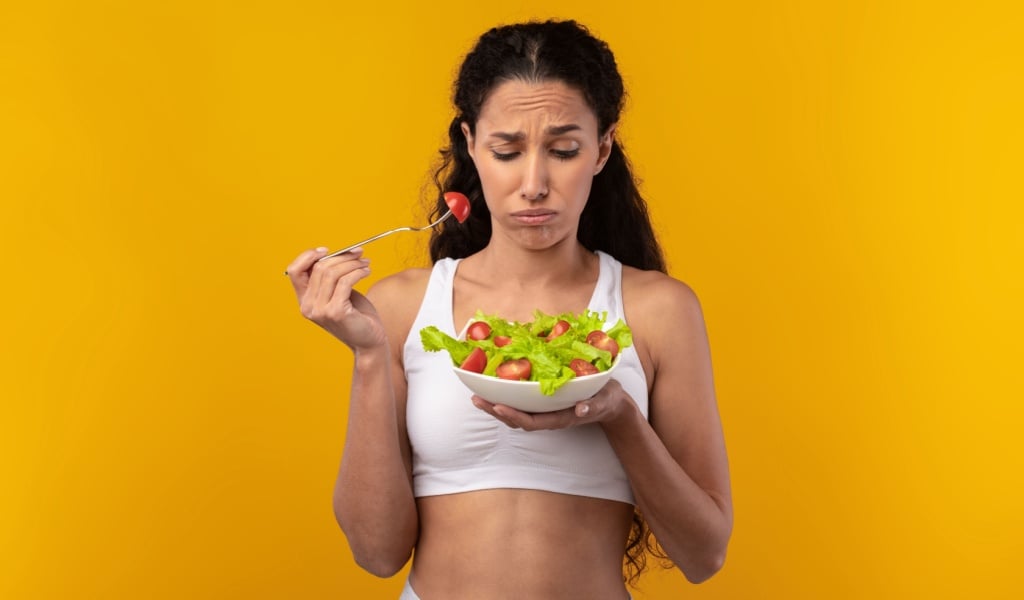
TikTok is swarming with trends and hacks, some of which actually go viral. Recently, TikTokkers have been claiming that freezing bread makes it healthier. They say that popping your bread into the freezer doesn’t just extend shelf life; it upgrades it, offering benefits for your gut and helping stabilize your blood sugar levels.
Trends come and go, but is this claim scientifically accurate? Well, believe it or not, yes! Let’s explore this claim further.
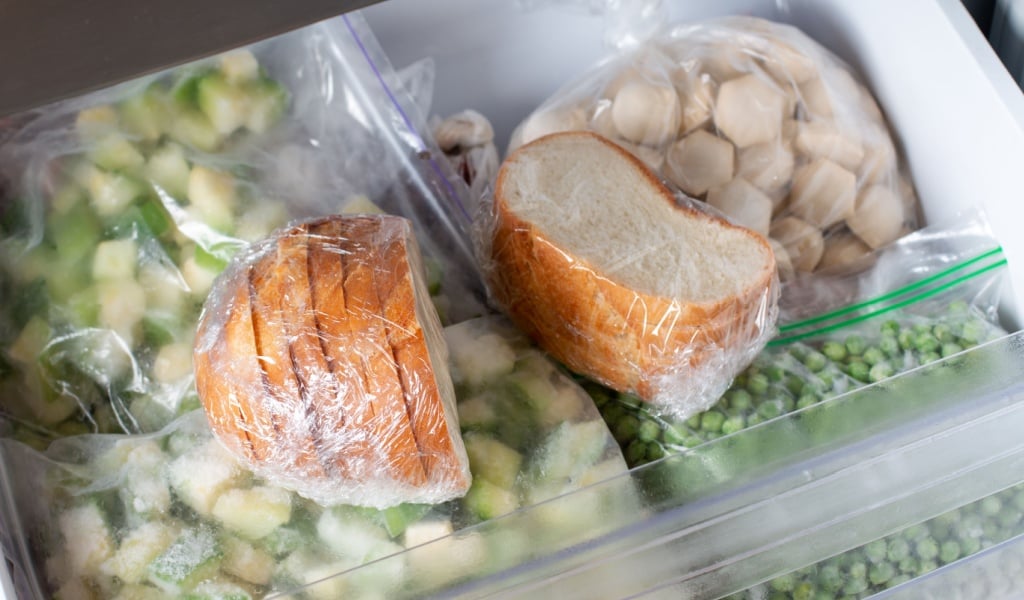
What Happens When You Freeze Bread?
When bread is cooked, a moist dough is transformed into a soft loaf. The heat of the oven, together with the water in the dough, causes the starch in the flour to expand and gelatinize. This is the same thing that happens when flour is added to a sauce as a thickening agent. These gelatinized starches are much easier to digest and make the glucose they contain easier for cells to process. Freshly cooked starchy foods that are low in fiber and made from finely milled flour share the same properties.
Insulin is important because it helps cells use glucose for energy or store it for later. This readily available glucose can increase insulin levels right after eating. However, too much insulin can make you gain weight and cause you to feel even hungrier.
Now, when food containing gelatinized starches is cooled, the expanded starches shrink and form a form of starch called resistant starch, which is harder for the enzymes in the digestive tract to break down. This also means that it’s harder for the cells to get hold of the sugar contained within these starches. Resistant starch passes slowly through the digestive system, helping you feel fuller for longer. This makes it beneficial for people who want to manage their appetite or lose weight. However, experts say more studies are needed to further establish its credibility.
A Scientific Perspective
Freezing bread not only prevents it from going stale but can also make it healthier. When bread is frozen and then thawed, some of its starches undergo a process called retrogradation. This is essentially when a part of the starch structure realigns and becomes a resistant starch.
This resistant starch is an incredibly powerful prebiotic for the gut microbiome and serves a fiber function rather than that of a typical carbohydrate. The body takes more time to digest it, leading to steadier blood sugar levels and less of a spike after you eat. In fact, one study found that freezing bread and defrosting it can reduce post-meal blood sugar spikes by up to 30% compared to eating it fresh.
There is a difference between refrigerating and freezing bread. Storage temperature can influence how much resistant starch forms, and cooling is basically the key to retrogradation. When bread is stored in the refrigerator, it develops more resistant starch than at room temperature or frozen bread. However, it also tends to go stale faster. Freezing slows the formation of resistant starch, making it the best way to preserve its quality.
When bread is refrigerated, the reduced circulation and cooler temperature can dehydrate it, making the texture very dry. On the other hand, freezing bread makes it more rigid, and when it thaws, the cell structure ruptures due to ice formation. This can help rearrange the alignment of starch and create a more resistant starch structure in the food.
What Are The Health Benefits Of Resistant Starch?
The temperature of food affects digestion. Fresh bread has a higher glycemic response. Toasting bread after freezing and defrosting can further lower the glucose response because of the multiple heat-and-cool cycles that promote the formation of resistant starch.
Since resistant starch is not absorbed into the bloodstream, it can help people with insulin resistance, especially those with Type 2 diabetes. Resistant starch helps to slow the absorption process of other carbohydrates into the blood. Since fewer carbohydrates in the food are absorbed, insulin spikes are reduced. Furthermore, this helps to support steady energy, promote fullness, and prevent sugar crashes.
Resistant starches also support gut health because they reach the colon intact and serve as food sources for gut bacteria. This releases beneficial compounds that reduce inflammation, fuel healthy colon cells, and even help to influence brain health.
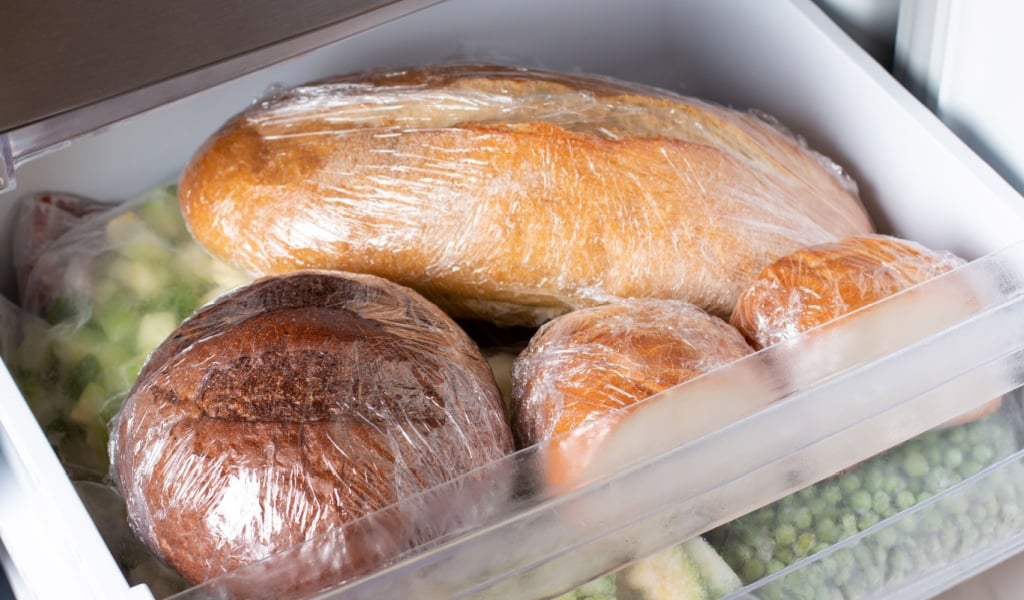
Should Bread Be Frozen?
There have been several studies on freezing and toasting white bread. Compared with fresh homemade bread, freezing and thawing bread can trigger significantly lower glycemic responses. This is beneficial for people with prediabetes or diabetes as it can help with their blood sugar management.
Generally, diabetics are advised to avoid carbohydrates completely, but they can safely consume bread in healthy quantities without it affecting blood sugar levels much by freezing and thawing it. Bread is arguably one of the simplest pleasures in life, and the fact that diabetics can safely enjoy it seems like a health loophole!
However, it’s worth noting that these changes are rather short-term, so their effects on long-term health are yet to be studied. Of course, freezing your bread is beneficial for your health and reduces food waste, but ultimately, the key to healthy bread is what is inside the loaf and how much you eat.
For healthier alternatives, you can opt for sprouted-grain or whole-wheat bread, which are higher in fiber. Likewise, breads with flax, sunflower, and chia seeds are excellent options.
Final Thoughts
Freezing bread doesn’t make bread a superfood. While this process can increase its resistant starch content, it shouldn’t serve as an excuse to slather Nutella or peanut butter and eat five sandwiches in one sitting. Freezing bread does give a small boost in fiber-like effects, but it certainly won’t make it magically healthy.
At the end of the day, freezing bread is more of a convenience than a health benefit. This can be useful knowledge to have in the kitchen, but it’s certainly not a game-changer for boosting health. The slight increase in resistant starch from freezing and thawing bread is handy, but it’s far from a health miracle. The only way to make a noticeable impact on your health and well-being is to focus on small servings, balance, and nutrition.